Roberto Carlos vs Sócrates: Stats Compared
Left-Back, Brazil (born 1973, retired 2015) · Attacking Midfielder, Brazil (born 1954, retired 1989)
Roberto Carlos against Sócrates is the kind of comparison that fuels pub arguments for hours. Different decades shaped different demands, and both adapted to theirs brilliantly. On production alone, Roberto Carlos posted 113 goals across 875 appearances while Sócrates managed 258 across 594. Reliable assist tallies simply do not exist for large stretches of their careers, leaving creativity to the eye rather than the spreadsheet. In major honours Roberto Carlos collected 9 — headlined by 3× UEFA Champions League (1998, 2000, 2002) — whereas Sócrates amassed 8, led by 3× Campeonato Brasileiro Série A. Across the turn of the millennium and the 1980s respectively, their commanding and dictatorial styles captured the spirit of very different footballing times. Context beyond the headline totals is important: Roberto Carlos's landmark level arrived around 2002 with a career spanning Palmeiras, Inter Milan, Real Madrid, Fenerbahçe; Sócrates's came around 1982 across Botafogo-SP, Corinthians, Fiorentina, Flamengo. Greatness, in cases like this, is rarely a zero-sum affair.
160 words · comparison angle: era
Player profiles
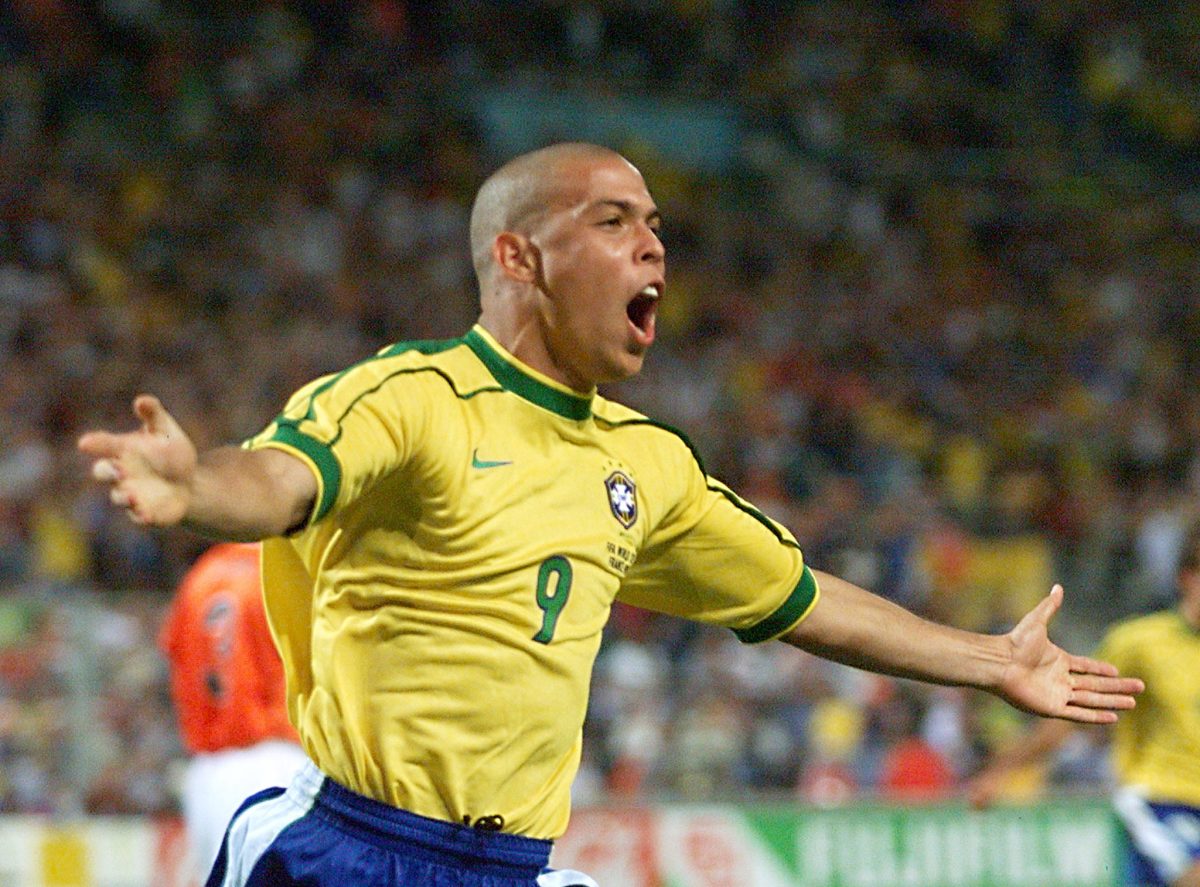
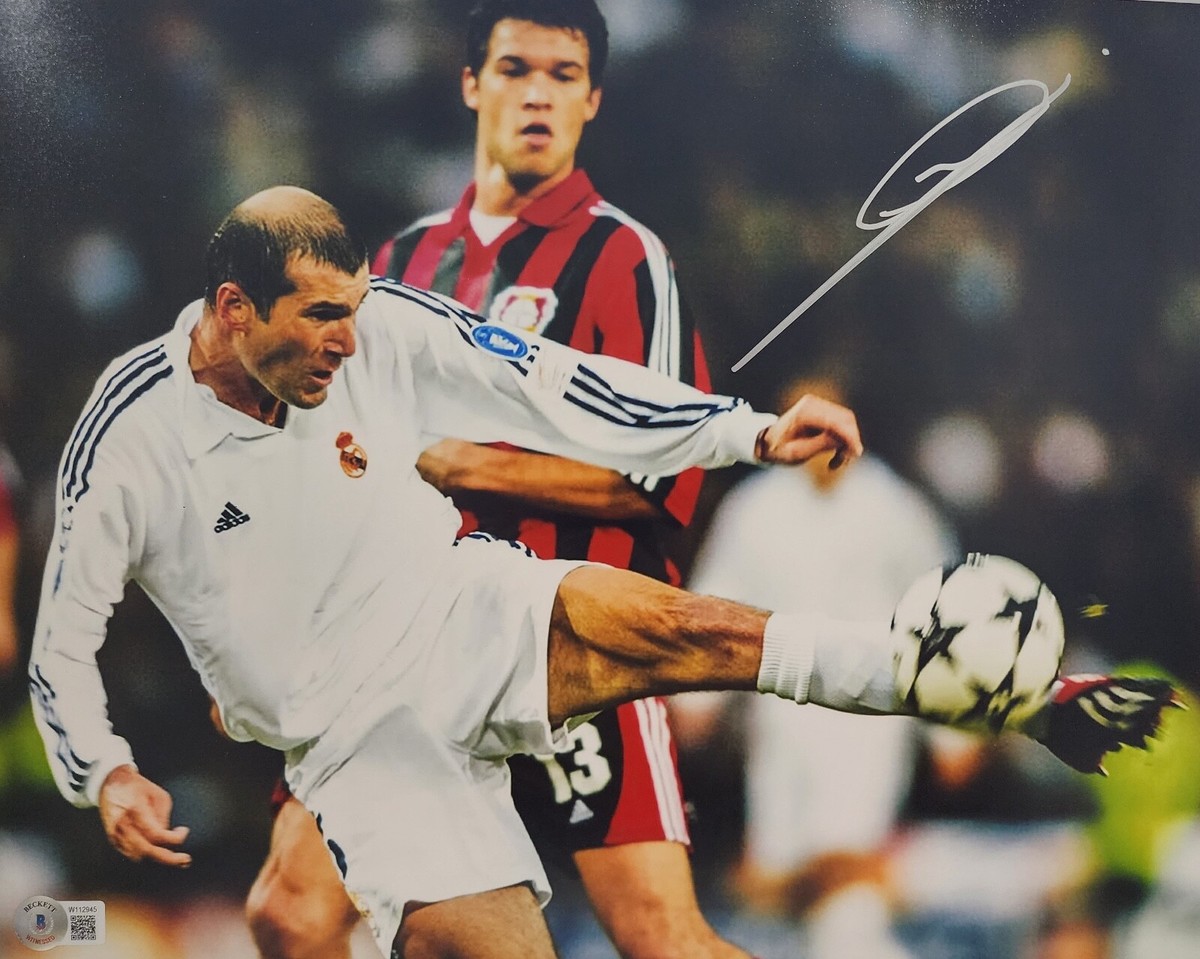
Roberto Carlos da Silva Rocha (born 10 April 1973), often known simply as Roberto Carlos, is a Brazilian former professional footballer. He has been described as one of the most attack-minded left-backs in football history and one of the greatest full-backs ever. He finished runner-up for the FIFA World Player of the Year in 1997 and for the Ballon d’Or in 2002.
“A rocket-footed full-back who combined recovery speed, overlapping runs and impossible free kicks.”
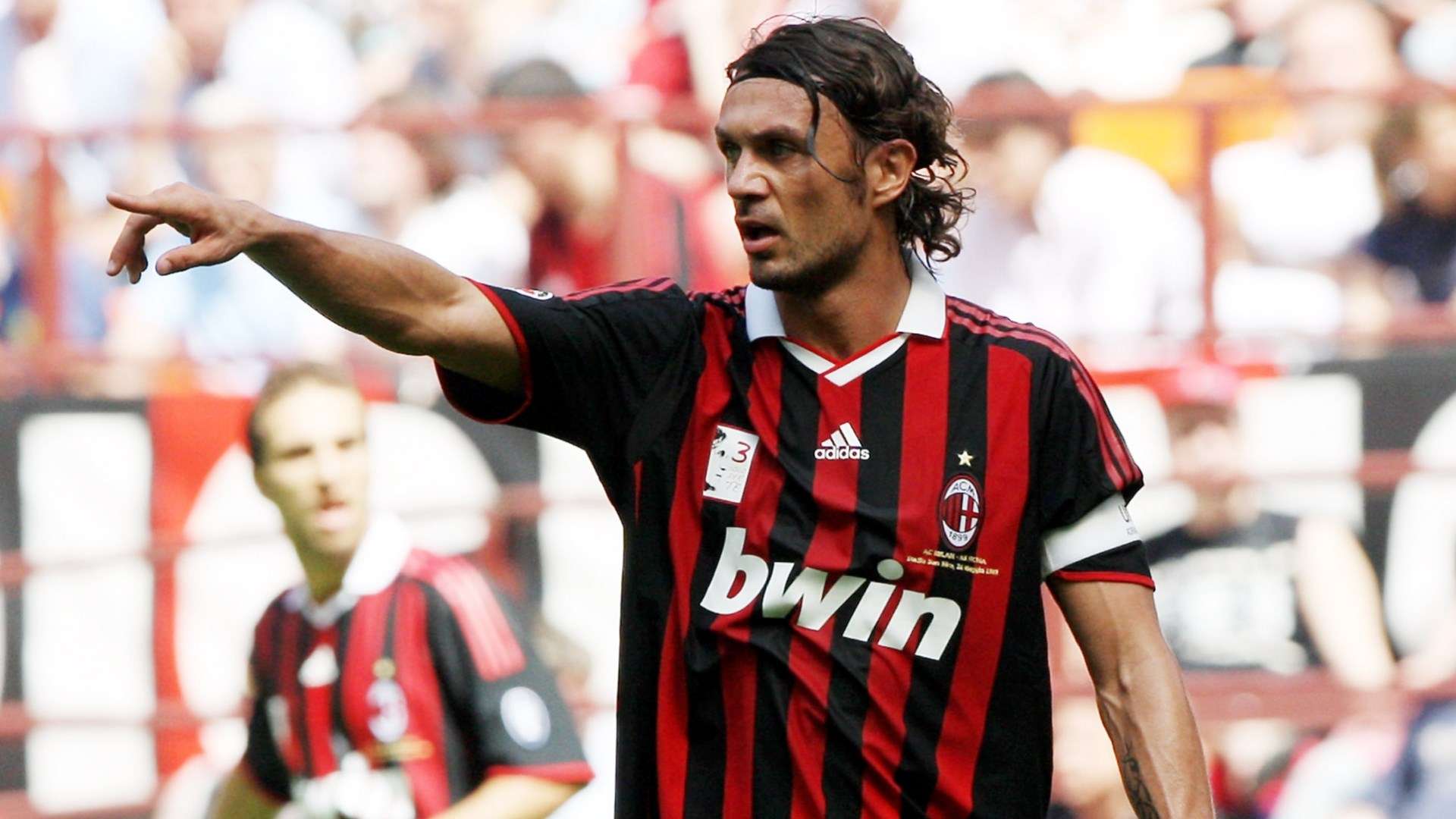
Sócrates Brasileiro Sampaio de Souza Vieira de Oliveira (19 February 1954 – 4 December 2011), simply known as Sócrates, was a Brazilian footballer who played as a midfielder. His medical degree and his political awareness, combined with style and quality of his play, earned him the nickname "Doctor Socrates". Famous for his beard and the headband he wore during the 1986 World Cup in solidarity with victims of the Mexico City earthquake, Sócrates became the "symbol of cool for a whole generation of football supporters".
“A languid playmaker whose backheels, vision and civic conviction made him unforgettable.”
Head-to-head stats
Career goals by season
Representative career seasons — goals per season for each player across their documented clubs.
Attribute radar
Attribute ratings are peak-era, 0–100. Different positions naturally skew the profile.
Attribute comparison
Trophy breakdown
- 3× UEFA Champions League (1998, 2000, 2002)
- 3× Campeonato Brasileiro Série A
Trophy distribution
Career milestones
- 1994 Established himself at Palmeiras
- 1998 Reached his defining peak
- 2002 Delivered a landmark season
- 2015 Retired from professional football
- 1974 Established himself at Botafogo-SP
- 1978 Reached his defining peak
- 1982 Delivered a landmark season
- 1989 Retired from professional football
The verdict
Weighing production against honours, Roberto Carlos takes the verdict — a clear margin, driven by remarkable longevity.
Roberto Carlos edges it (a clear margin)