
Ronaldo Nazário vs Jorge Campos: Stats Compared
Striker, Brazil (born 1976, retired 2011) · Goalkeeper, Mexico (born 1966, retired 2004)
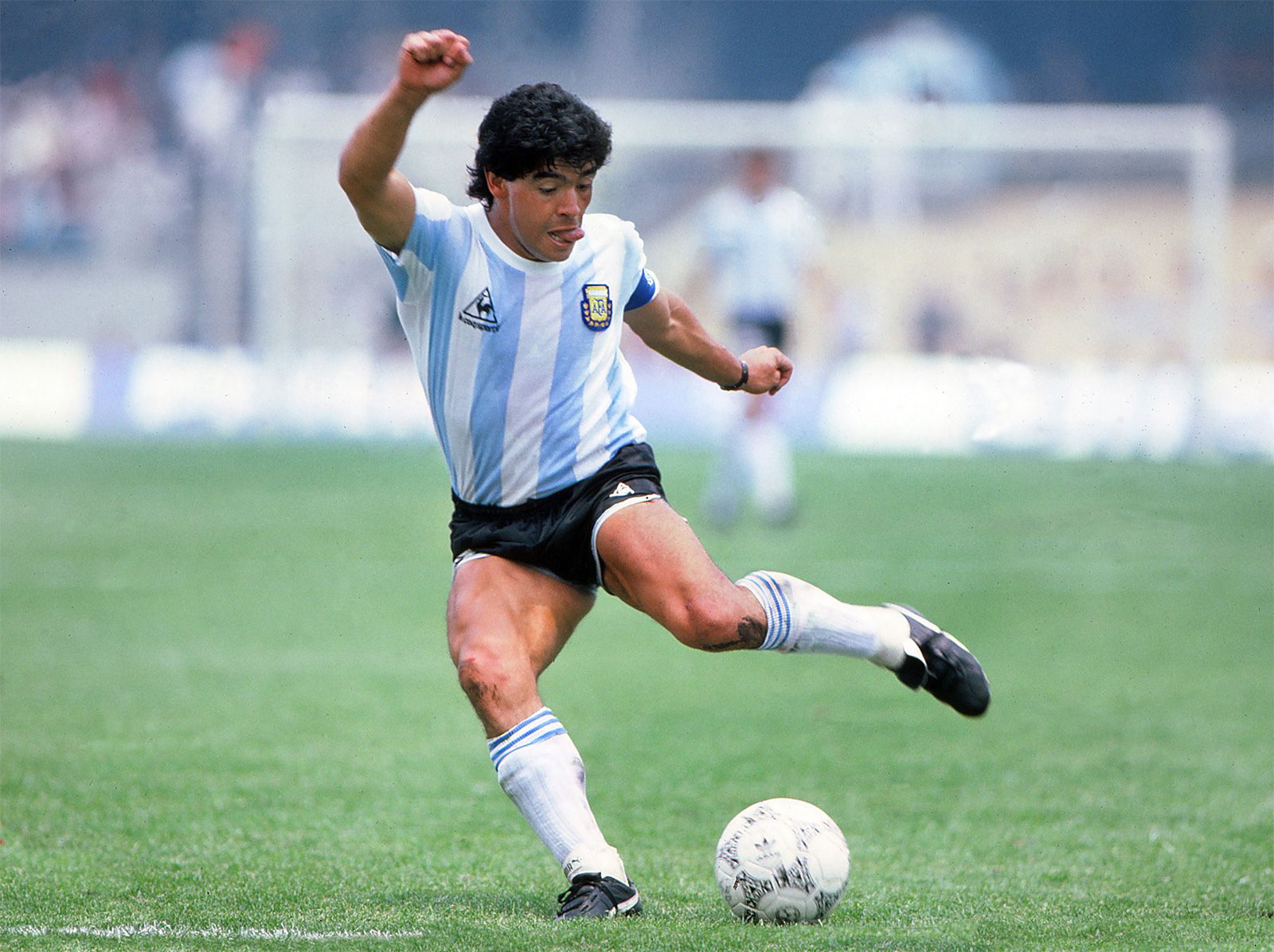
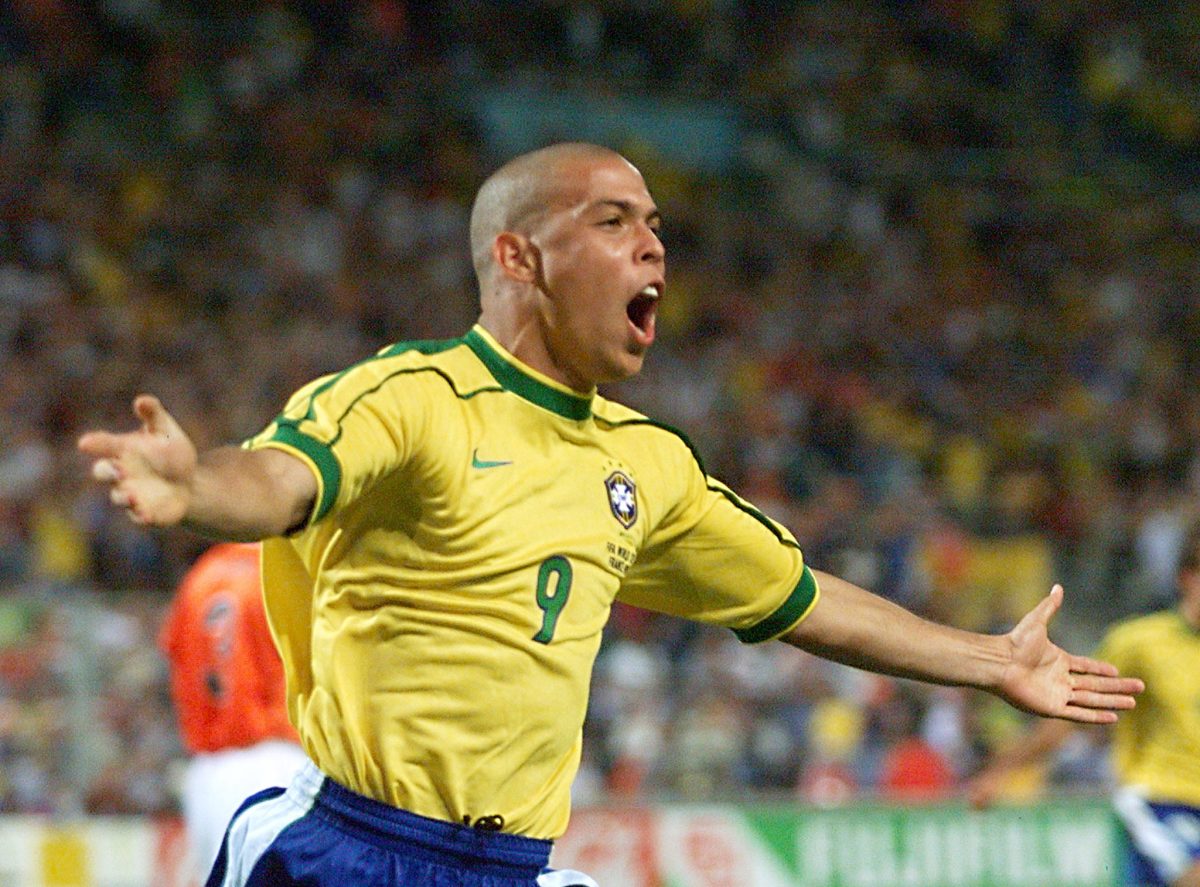
Put Ronaldo Nazário and Jorge Campos side by side and you have a genuine generational conversation. Long after the final whistle, what lingers is influence, and each man reshaped his corner of the game. The raw numbers read 414 goals in 618 outings for Ronaldo Nazário (0.67/game), versus 40 in 686 for Jorge Campos (0.06/game). Reliable assist tallies simply do not exist for large stretches of their careers, leaving creativity to the eye rather than the spreadsheet. Ronaldo Nazário departs the game with 8 major pieces of silverware, including 2× FIFA World Cup (1994, 2002); Jorge Campos with 8, including 1× Mexican Primera División. Their legacies diverge in texture: Ronaldo Nazário is remembered as explosive, Jorge Campos as imposing. Their routes to the top were distinct: Ronaldo Nazário built his reputation across Cruzeiro, PSV, Barcelona, Inter Milan, Real Madrid, AC Milan, Corinthians, peaking around 2002, while Jorge Campos reached his defining level around 1991 after spells with Pumas UNAM, Atlante, Cruz Azul. Each, in his own way, set a standard the other is measured against.
175 words · comparison angle: legacy
Player profiles
Brazilian striker who won two World Cups and is widely considered one of the most complete forwards in history; back-to-back Ballon d'Or winner in 1997 and 2002.
“An explosive, two-footed striker blending raw pace, finishing and clinical dribbling at full speed.”
Jorge Campos Navarrete (born 15 October 1966) is a Mexican professional football coach and player who plays as a goalkeeper for Tercera Federación – Group 7 club México FC. A notable player of Mexico in the 1990s and early 2000s, Campos was an eccentric player, known for his constant play outside the penalty area – often functioning as a sweeper-keeper, as well as his acrobatic, risky, and flamboyant style of goalkeeping, and his colourful playing attire. His main strengths as a goalkeeper were his leaping ability, athleticism, and speed when rushing off his line, as well as his ability to organize his defense, which enabled him to overcome his short stature.
“A fearless, undersized goalkeeper who compensated with spring, bravery and unusual footwork.”
Head-to-head stats
Career goals by season
Representative career seasons — goals per season for each player across their documented clubs.
Attribute radar
Attribute ratings are peak-era, 0–100. Different positions naturally skew the profile.
Attribute comparison
Trophy breakdown
- 2× FIFA World Cup (1994, 2002)
- 2× Copa América (1997, 1999)
- 1× FIFA Confederations Cup (1997)
- 1× UEFA Cup (1998)
- 1× UEFA Cup Winners' Cup (1997)
- 1× La Liga (2003)
- 1× Mexican Primera División
Trophy distribution
Career milestones
- 1993 Professional debut for Cruzeiro aged 16
- 1994 Joined PSV and was a World Cup squad member
- 1996 World-record transfer to Barcelona
- 1997 World-record transfer to Inter Milan
- 2002 Top scorer and World Cup winner in Japan/Korea
- 2003 Joined Real Madrid's Galácticos
- 2011 Retired at Corinthians
- 1983 Established himself at Pumas UNAM
- 1987 Reached his defining peak
- 1991 Delivered a landmark season
- 2004 Retired from professional football
The verdict
Reasonable people will disagree, but Ronaldo Nazário wins out by a decisive margin on the weight of a sharper goalscoring record.
Ronaldo Nazário edges it (a decisive margin)