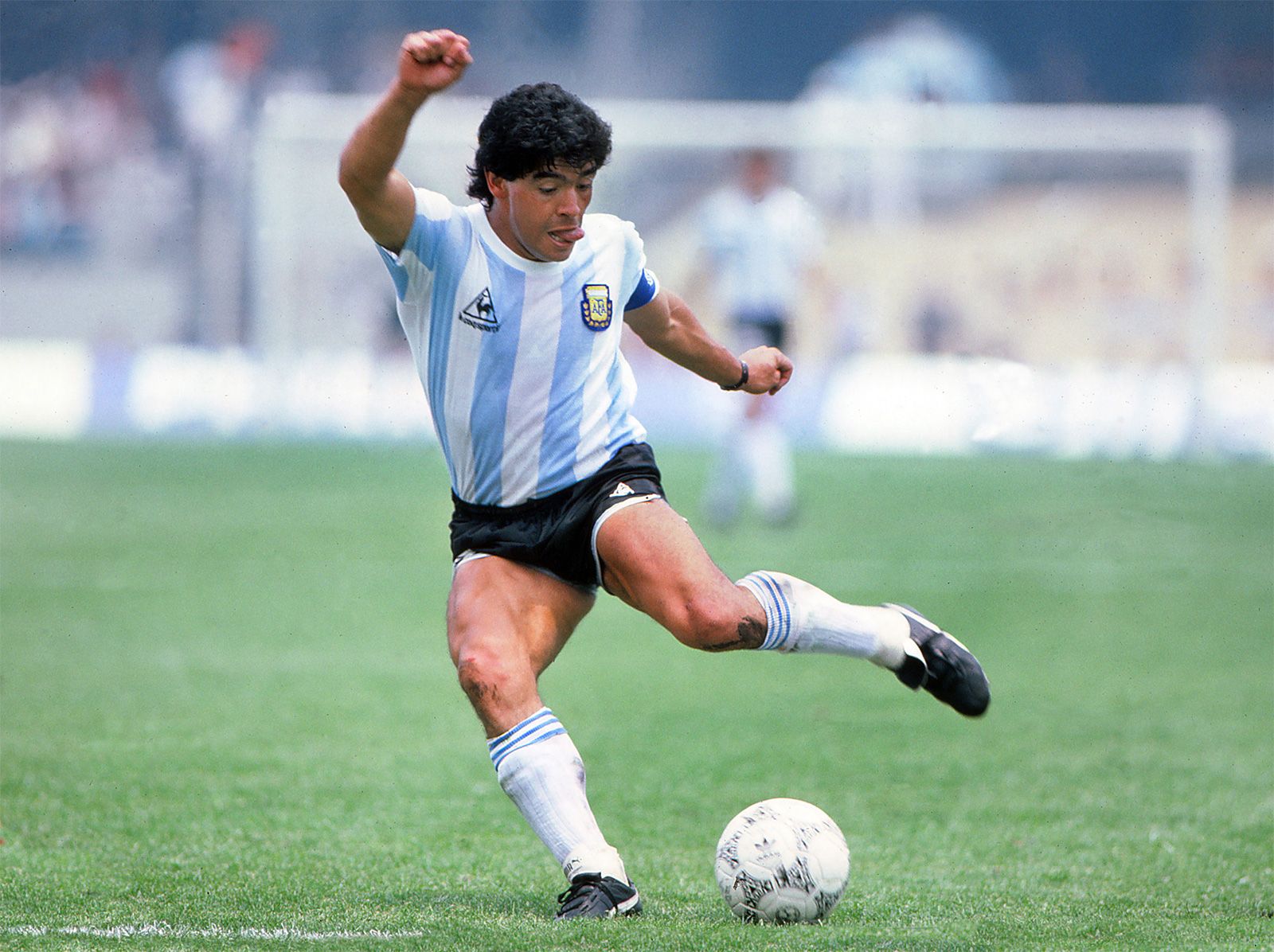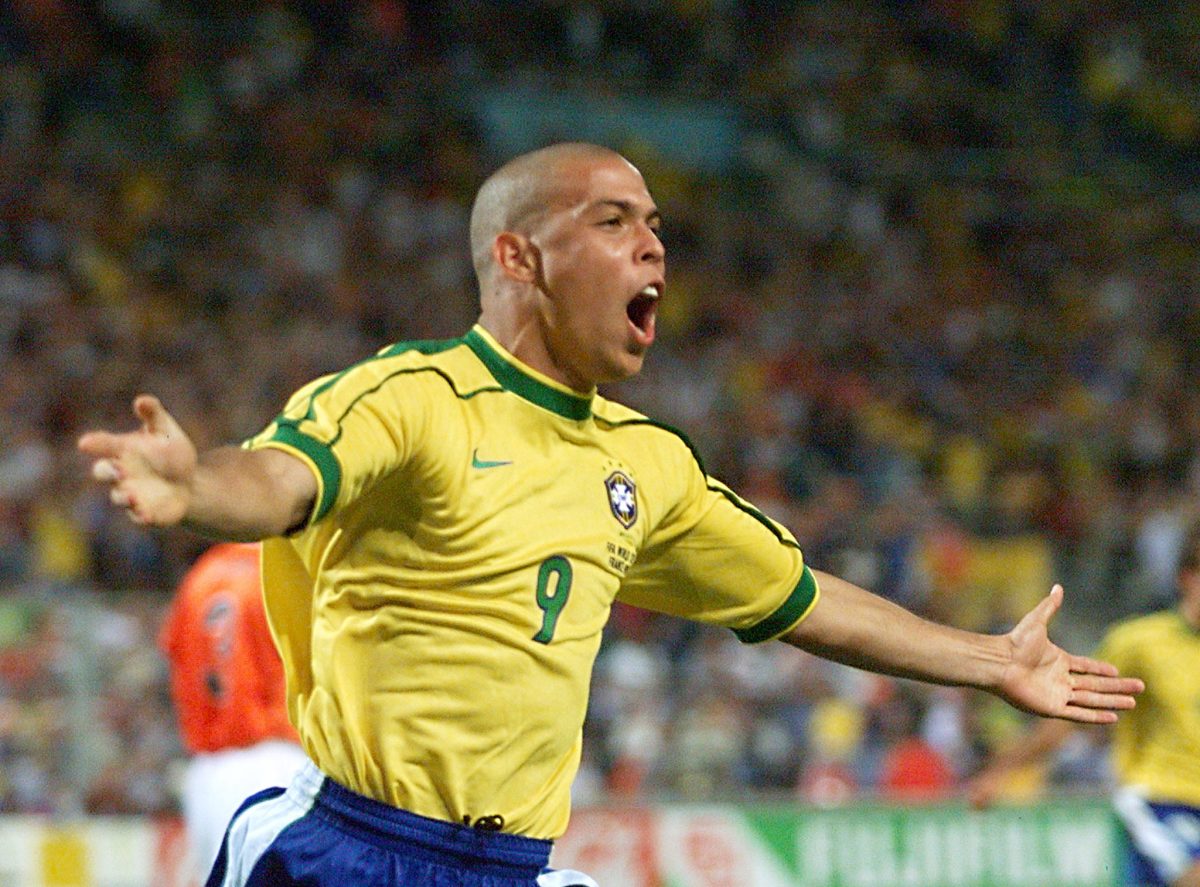
Ronaldo Nazário vs Javier Mascherano: Stats Compared
Striker, Brazil (born 1976, retired 2011) · Defensive Midfielder, Argentina (born 1984, retired 2020)
Few debates split football fans quite like Ronaldo Nazário versus Javier Mascherano. Strip away the highlights and the medal count tells its own story for each man. Career output puts Ronaldo Nazário at 414 goals in 618 games, with Javier Mascherano at 15 in 700. Modern assist data only covers part of their careers, so creativity is hard to compare cleanly — Ronaldo Nazário is listed at 0 and Javier Mascherano at 20 where figures survive. In major honours Ronaldo Nazário collected 8 — headlined by 2× FIFA World Cup (1994, 2002) — whereas Javier Mascherano amassed 10, led by 2× UEFA Champions League (2011, 2015). Ronaldo Nazário built his medal haul through years of explosive consistency, while Javier Mascherano won his with silky bursts of brilliance. Club journeys add another layer, with Ronaldo Nazário reaching his representative peak around 2002 across Cruzeiro, PSV, Barcelona, Inter Milan, Real Madrid, AC Milan, Corinthians and Javier Mascherano doing so around 2015 with River Plate, Corinthians, West Ham United, Liverpool, Barcelona, Hebei China Fortune, Estudiantes. Few pairings invite such entrenched disagreement, and fewer still deserve it this much.
185 words · comparison angle: trophies
Player profiles
Brazilian striker who won two World Cups and is widely considered one of the most complete forwards in history; back-to-back Ballon d'Or winner in 1997 and 2002.
“An explosive, two-footed striker blending raw pace, finishing and clinical dribbling at full speed.”
Nicknamed 'El Jefecito' (the little chief), Mascherano converted from a combative box-to-box midfielder into one of the finest defensive midfielders of his generation.
“A fiercely competitive ball-winner whose tackling and reading of the game let him marshal both midfield and defence.”
Head-to-head stats
Career goals by season
Representative career seasons — goals per season for each player across their documented clubs.
Attribute radar
Attribute ratings are peak-era, 0–100. Different positions naturally skew the profile.
Attribute comparison
Trophy breakdown
- 2× FIFA World Cup (1994, 2002)
- 2× Copa América (1997, 1999)
- 1× FIFA Confederations Cup (1997)
- 1× UEFA Cup (1998)
- 1× UEFA Cup Winners' Cup (1997)
- 1× La Liga (2003)
- 2× UEFA Champions League (2011, 2015)
- 4× La Liga (2013, 2015, 2016, 2018)
- 4× Copa del Rey (2012, 2015, 2016, 2017)
Trophy distribution
Career milestones
- 1993 Professional debut for Cruzeiro aged 16
- 1994 Joined PSV and was a World Cup squad member
- 1996 World-record transfer to Barcelona
- 1997 World-record transfer to Inter Milan
- 2002 Top scorer and World Cup winner in Japan/Korea
- 2003 Joined Real Madrid's Galácticos
- 2011 Retired at Corinthians
- 2003 Professional debut for River Plate
- 2011 Won UEFA Champions League with Barcelona
- 2012 Won Copa del Rey with Barcelona
- 2015 Reached the peak of his powers at Barcelona
- 2020 Retired after a final spell at Estudiantes
- Finished his career with 15 goals in 700 appearances and 10 major honours. Finished his career with 15 goals in 700 appearances and 10 major honours.
The verdict
The numbers give Ronaldo Nazário the lead — a decisive margin, courtesy of a sharper goalscoring record.
Ronaldo Nazário edges it (a decisive margin)