Ronaldo Nazário vs Andrea Pirlo: Stats Compared
Striker, Brazil (born 1976, retired 2011) · Central / Attacking Midfielder, Italy (born 1979, retired 2017)
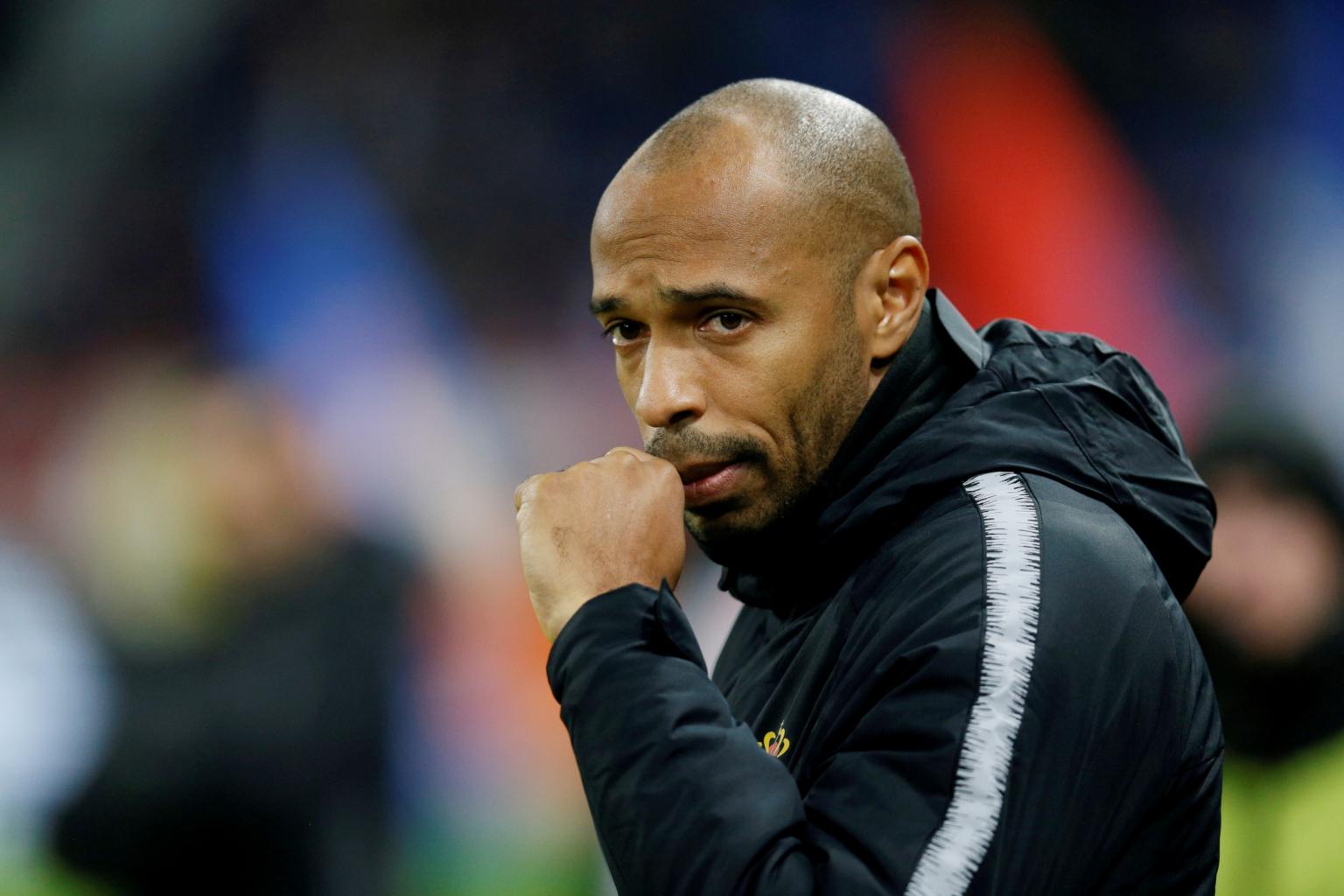
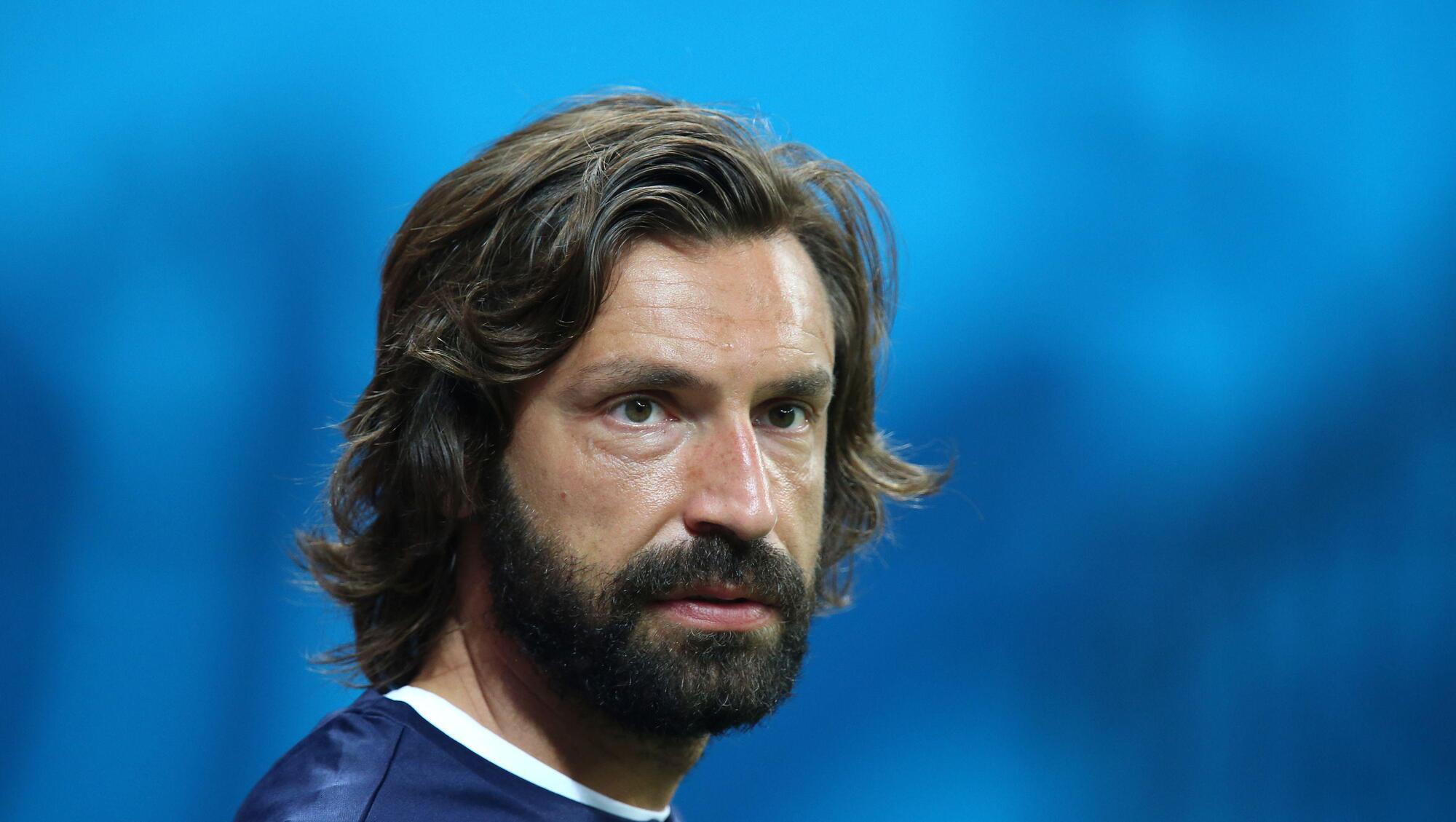
There is something timeless about weighing Ronaldo Nazário against Andrea Pirlo. Separated by their years at the top, each defined the football of their own generation. The raw numbers read 414 goals in 618 outings for Ronaldo Nazário (0.67/game), versus 73 in 728 for Andrea Pirlo (0.10/game). Modern assist data only covers part of their careers, so creativity is hard to compare cleanly — Ronaldo Nazário is listed at 0 and Andrea Pirlo at 80 where figures survive. Ronaldo Nazário departs the game with 8 major pieces of silverware, including 2× FIFA World Cup (1994, 2002); Andrea Pirlo with 13, including 1× FIFA World Cup (2006). Across the turn of the millennium and the turn of the millennium respectively, their predatory and creative styles captured the spirit of very different footballing times. Club journeys add another layer, with Ronaldo Nazário reaching his representative peak around 2002 across Cruzeiro, PSV, Barcelona, Inter Milan, Real Madrid, AC Milan, Corinthians and Andrea Pirlo doing so around 2006 with Brescia, Inter Milan, AC Milan, Juventus, New York City FC. The honest conclusion is that comparison enriches appreciation rather than crowns a single winner.
189 words · comparison angle: era
Player profiles
Brazilian striker who won two World Cups and is widely considered one of the most complete forwards in history; back-to-back Ballon d'Or winner in 1997 and 2002.
“An explosive, two-footed striker blending raw pace, finishing and clinical dribbling at full speed.”
Italian playmaker and World Cup winner; six-time Serie A champion and two-time Champions League winner.
“A deep-lying regista whose passing range and free-kick craft orchestrated Italy and Juventus for a decade.”
Head-to-head stats
Career goals by season
Representative career seasons — goals per season for each player across their documented clubs.
Attribute radar
Attribute ratings are peak-era, 0–100. Different positions naturally skew the profile.
Attribute comparison
Trophy breakdown
- 2× FIFA World Cup (1994, 2002)
- 2× Copa América (1997, 1999)
- 1× FIFA Confederations Cup (1997)
- 1× UEFA Cup (1998)
- 1× UEFA Cup Winners' Cup (1997)
- 1× La Liga (2003)
- 1× FIFA World Cup (2006)
- 2× UEFA Champions League (2003, 2007)
- 6× Serie A
- 2× Coppa Italia
- 2× UEFA Super Cup (2003, 2007)
Trophy distribution
Career milestones
- 1993 Professional debut for Cruzeiro aged 16
- 1994 Joined PSV and was a World Cup squad member
- 1996 World-record transfer to Barcelona
- 1997 World-record transfer to Inter Milan
- 2002 Top scorer and World Cup winner in Japan/Korea
- 2003 Joined Real Madrid's Galácticos
- 2011 Retired at Corinthians
- 1995 Brescia debut aged 16
- 1998 Signed for Inter Milan but failed to break through
- 2001 Joined AC Milan and his career took off
- 2006 World Cup winner with Italy
- 2011 Free transfer to Juventus
- 2014 Set a Serie A points record with Juventus
- 2015 Joined MLS side New York City FC
The verdict
Weighing production, silverware and profile, the two finish within a whisker of each other. Call it a respectful draw — greatness of this calibre resists a single winner.
Too close to call — a respectful draw