Ronaldo Nazário vs Fernando Redondo: Stats Compared
Striker, Brazil (born 1976, retired 2011) · Defensive Midfielder, Argentina (born 1969, retired 2004)
Ronaldo Nazário and Fernando Redondo represent two answers to the same question: how do you define a great? Silverware is the currency of legacy, and both players filled cabinets that few can rival. Across his senior career Ronaldo Nazário notched 414 goals in 618 appearances (0.67 per game), while Fernando Redondo recorded 30 in 450 (0.07 per game). Assists were not reliably tracked for much of their careers, which makes the playmaking comparison an imperfect one; where records exist, Ronaldo Nazário is credited with 0 and Fernando Redondo with 60. Ronaldo Nazário departs the game with 8 major pieces of silverware, including 2× FIFA World Cup (1994, 2002); Fernando Redondo with 5, including 2× La Liga (1995, 1997). Ronaldo Nazário built his medal haul through years of explosive consistency, while Fernando Redondo won his with dictatorial bursts of brilliance. The wider career context matters too: Ronaldo Nazário peaked around 2002 after representing Cruzeiro, PSV, Barcelona, Inter Milan, Real Madrid, AC Milan, Corinthians, while Fernando Redondo's defining level came around 1998 across Argentinos Juniors, Real Madrid, AC Milan. Arguments will run and run, which is exactly why the matchup endures.
189 words · comparison angle: trophies
Player profiles
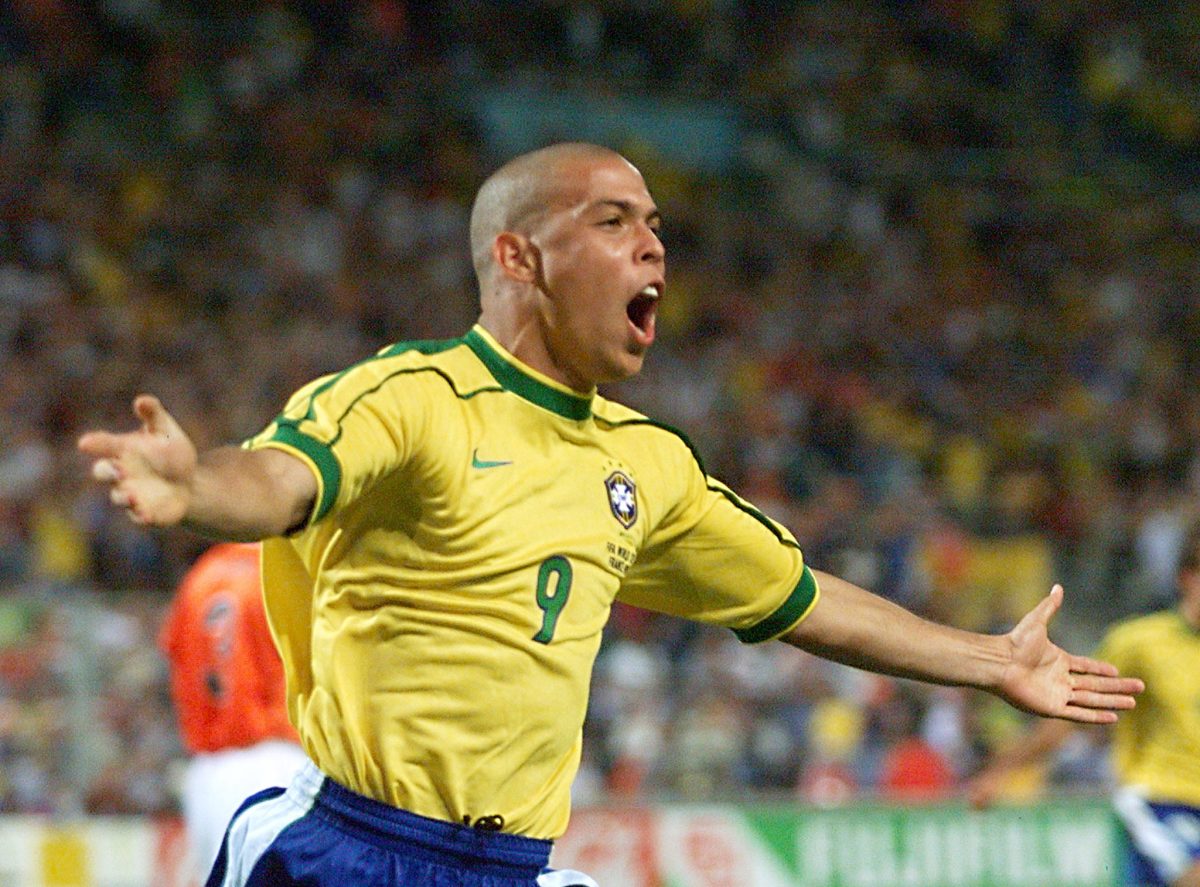
Brazilian striker who won two World Cups and is widely considered one of the most complete forwards in history; back-to-back Ballon d'Or winner in 1997 and 2002.
“An explosive, two-footed striker blending raw pace, finishing and clinical dribbling at full speed.”
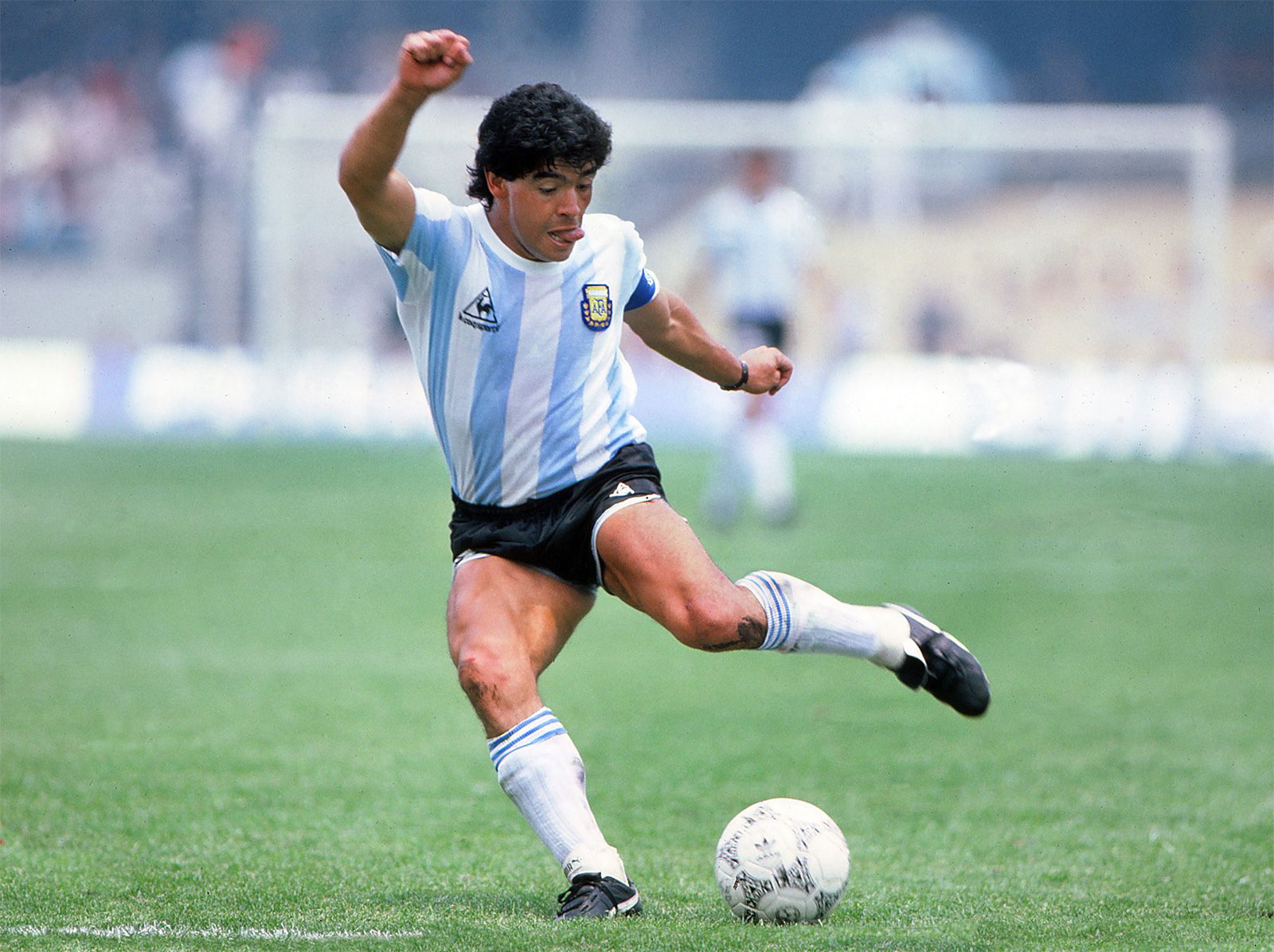
A supremely elegant defensive midfielder famed for his flowing hair and a single backheel that became one of the sport's most replayed pieces of skill.
“An elegant, deep-lying playmaker who shielded the defence while dictating play with effortless long passing.”
Head-to-head stats
Career goals by season
Representative career seasons — goals per season for each player across their documented clubs.
Attribute radar
Attribute ratings are peak-era, 0–100. Different positions naturally skew the profile.
Attribute comparison
Trophy breakdown
- 2× FIFA World Cup (1994, 2002)
- 2× Copa América (1997, 1999)
- 1× FIFA Confederations Cup (1997)
- 1× UEFA Cup (1998)
- 1× UEFA Cup Winners' Cup (1997)
- 1× La Liga (2003)
- 2× La Liga (1995, 1997)
- 2× UEFA Champions League (1998, 2000)
- 1× Intercontinental Cup (1998)
Trophy distribution
Career milestones
- 1993 Professional debut for Cruzeiro aged 16
- 1994 Joined PSV and was a World Cup squad member
- 1996 World-record transfer to Barcelona
- 1997 World-record transfer to Inter Milan
- 2002 Top scorer and World Cup winner in Japan/Korea
- 2003 Joined Real Madrid's Galácticos
- 2011 Retired at Corinthians
- 1987 Professional debut for Argentinos Juniors
- 1995 Won La Liga with Real Madrid
- 1998 Won Intercontinental Cup with Real Madrid
- 1998 Reached the peak of his powers at Real Madrid
- 2004 Retired after a final spell at AC Milan
- Finished his career with 30 goals in 450 appearances and 5 major honours. Finished his career with 30 goals in 450 appearances and 5 major honours.
The verdict
If forced to pick, Ronaldo Nazário is the choice: a decisive margin, with a sharper goalscoring record the deciding factor.
Ronaldo Nazário edges it (a decisive margin)