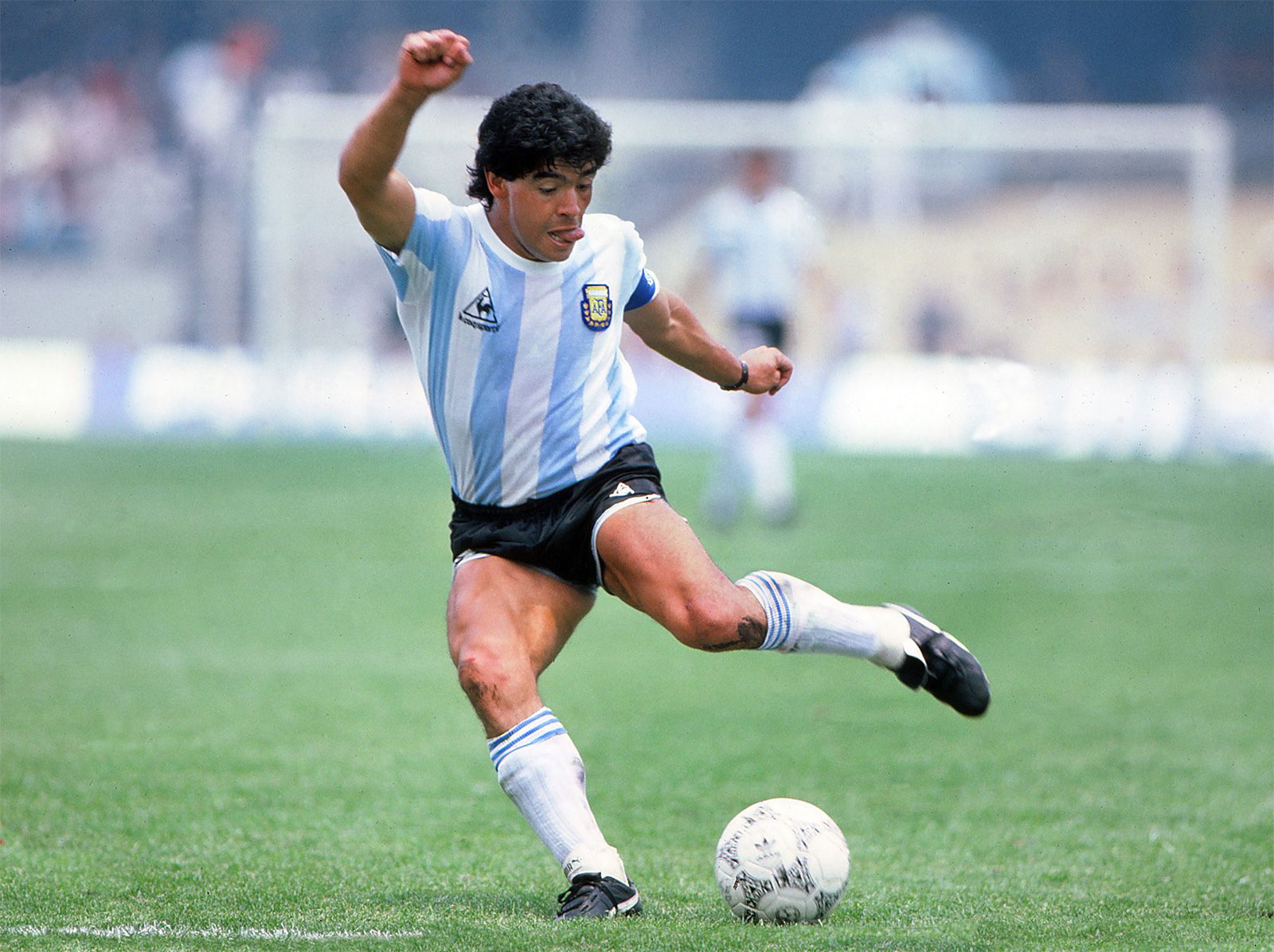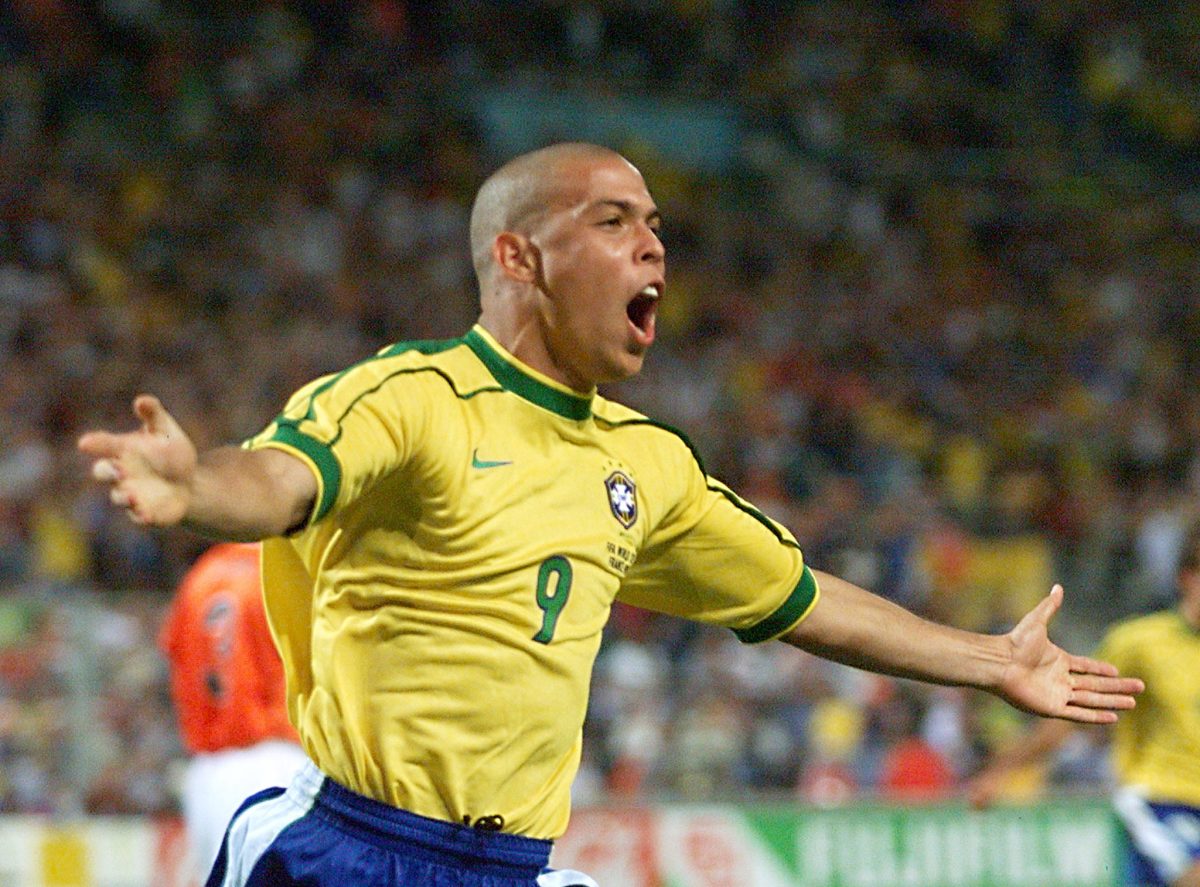
Ronaldo Nazário vs Carlos Valderrama: Stats Compared
Striker, Brazil (born 1976, retired 2011) · Attacking Midfielder, Colombia (born 1961, retired 2004)
There is something timeless about weighing Ronaldo Nazário against Carlos Valderrama. Strip away the highlights and the medal count tells its own story for each man. The raw numbers read 414 goals in 618 outings for Ronaldo Nazário (0.67/game), versus 40 in 650 for Carlos Valderrama (0.06/game). Modern assist data only covers part of their careers, so creativity is hard to compare cleanly — Ronaldo Nazário is listed at 0 and Carlos Valderrama at 150 where figures survive. Ronaldo Nazário departs the game with 8 major pieces of silverware, including 2× FIFA World Cup (1994, 2002); Carlos Valderrama with 2, including 2× Categoría Primera A (1987, 1988). Ronaldo Nazário built his medal haul through years of clinical consistency, while Carlos Valderrama won his with intelligent bursts of brilliance. Their routes to the top were distinct: Ronaldo Nazário built his reputation across Cruzeiro, PSV, Barcelona, Inter Milan, Real Madrid, AC Milan, Corinthians, peaking around 2002, while Carlos Valderrama reached his defining level around 1990 after spells with Unión Magdalena, Millonarios, Montpellier, Valladolid, Junior, Tampa Bay Mutiny, Colorado Rapids. Greatness, in cases like this, is rarely a zero-sum affair.
187 words · comparison angle: trophies
Player profiles
Brazilian striker who won two World Cups and is widely considered one of the most complete forwards in history; back-to-back Ballon d'Or winner in 1997 and 2002.
“An explosive, two-footed striker blending raw pace, finishing and clinical dribbling at full speed.”
Instantly recognisable for his blond afro, Valderrama was Colombia's all-time playmaker, dictating games with a casual grace and pinpoint range of passing.
“An unhurried deep-lying No.10 who controlled matches through vision and a metronomic passing range rather than pace.”
Head-to-head stats
Career goals by season
Representative career seasons — goals per season for each player across their documented clubs.
Attribute radar
Attribute ratings are peak-era, 0–100. Different positions naturally skew the profile.
Attribute comparison
Trophy breakdown
- 2× FIFA World Cup (1994, 2002)
- 2× Copa América (1997, 1999)
- 1× FIFA Confederations Cup (1997)
- 1× UEFA Cup (1998)
- 1× UEFA Cup Winners' Cup (1997)
- 1× La Liga (2003)
- 2× Categoría Primera A (1987, 1988)
Trophy distribution
Career milestones
- 1993 Professional debut for Cruzeiro aged 16
- 1994 Joined PSV and was a World Cup squad member
- 1996 World-record transfer to Barcelona
- 1997 World-record transfer to Inter Milan
- 2002 Top scorer and World Cup winner in Japan/Korea
- 2003 Joined Real Madrid's Galácticos
- 2011 Retired at Corinthians
- 1981 Professional debut for Unión Magdalena
- 1987 Won Categoría Primera A with Millonarios
- 1990 Reached the peak of his powers at Montpellier
- 2004 Retired after a final spell at Colorado Rapids
- Finished his career with 40 goals in 650 appearances and 2 major honours. Finished his career with 40 goals in 650 appearances and 2 major honours.
The verdict
If forced to pick, Ronaldo Nazário is the choice: a decisive margin, with a sharper goalscoring record the deciding factor.
Ronaldo Nazário edges it (a decisive margin)