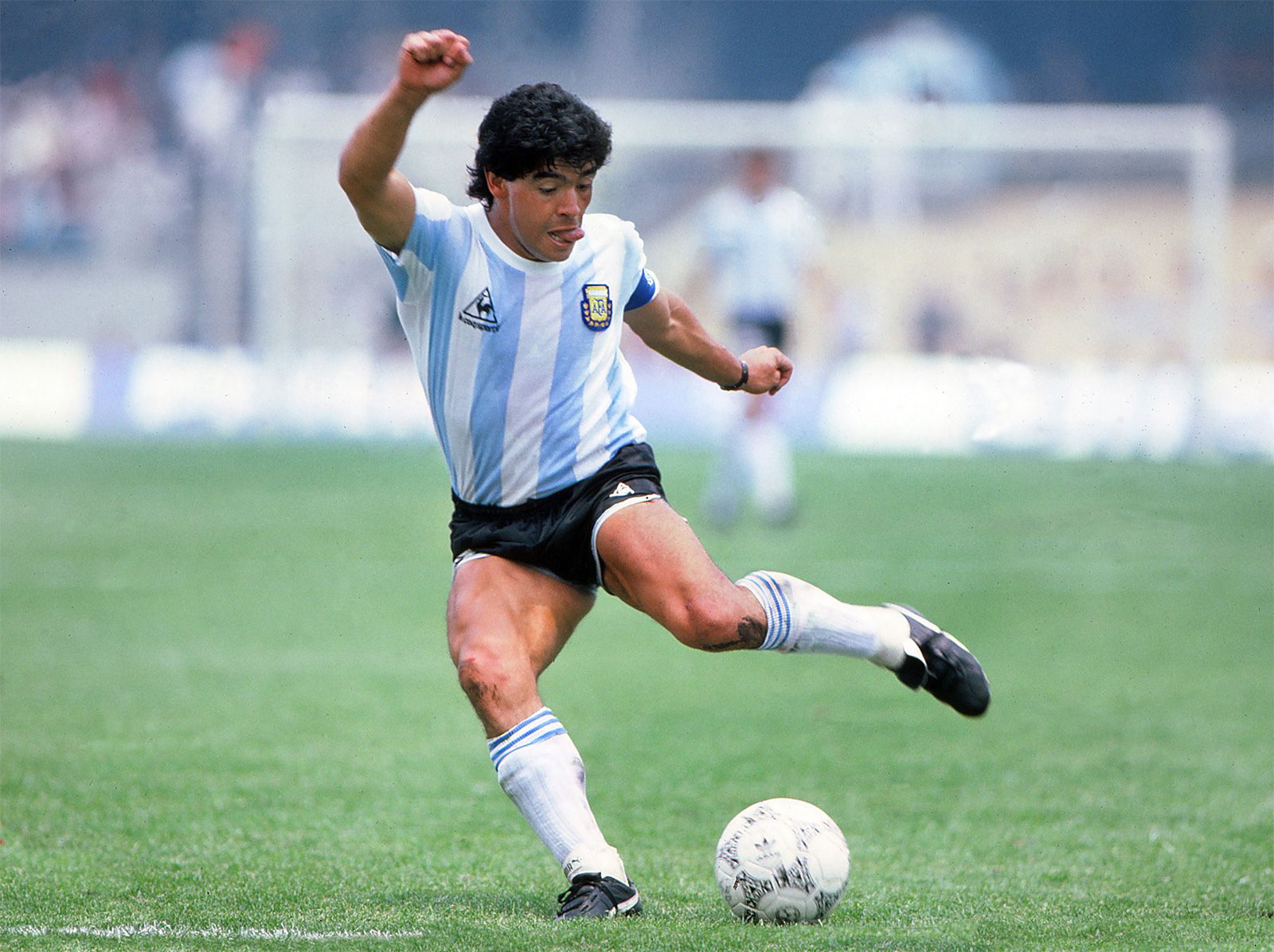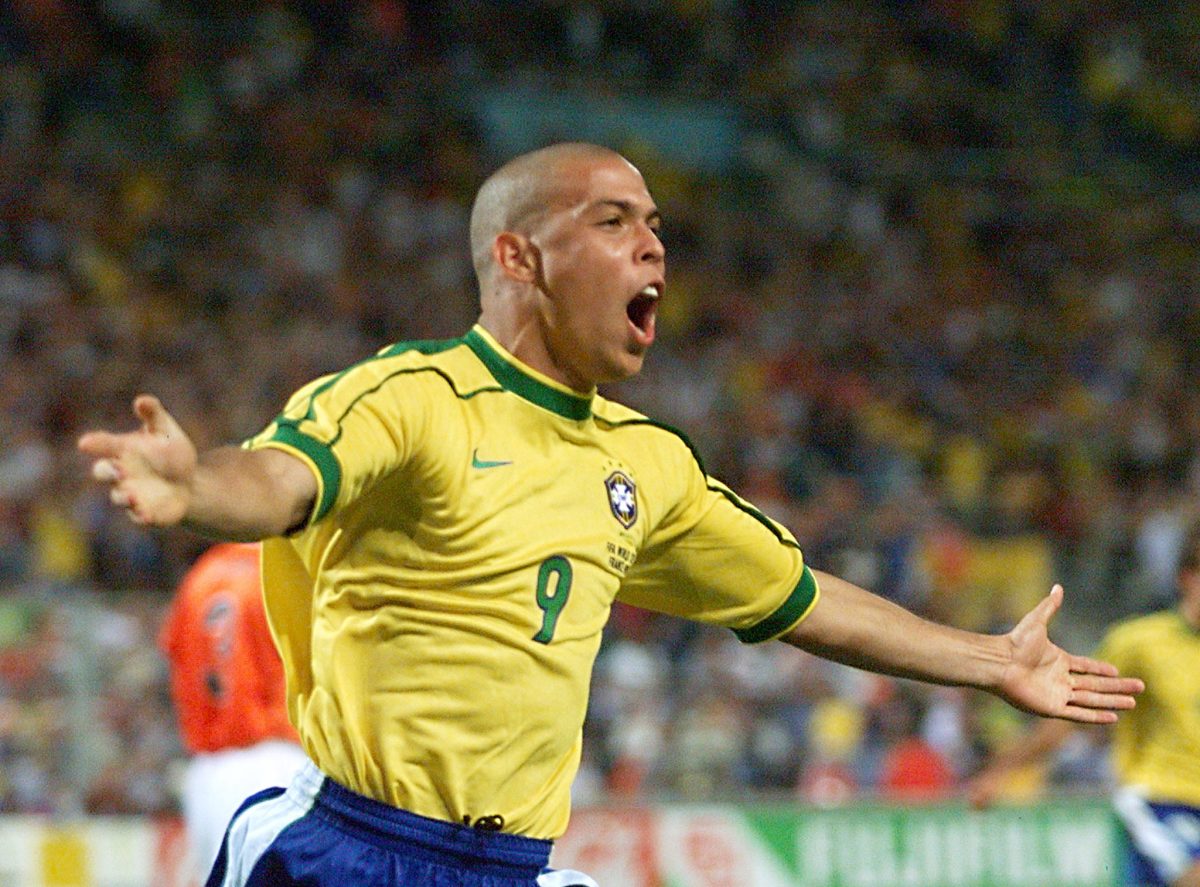
Ronaldo Nazário vs Giovanni van Bronckhorst: Stats Compared
Striker, Brazil (born 1976, retired 2011) · Left-Back, Netherlands (born 1975, retired 2010)
Line up Ronaldo Nazário next to Giovanni van Bronckhorst and the contrasts come quickly. Era matters in any comparison, and these two peaked under very different footballing conditions. By the end Ronaldo Nazário had 414 goals from 618 caps and club outings; Giovanni van Bronckhorst had 40 from 600. Assists were not reliably tracked for much of their careers, which makes the playmaking comparison an imperfect one; where records exist, Ronaldo Nazário is credited with 0 and Giovanni van Bronckhorst with 40. In major honours Ronaldo Nazário collected 8 — headlined by 2× FIFA World Cup (1994, 2002) — whereas Giovanni van Bronckhorst amassed 4, led by 1× UEFA Cup (2002). Across the turn of the millennium and the turn of the millennium respectively, their flair-driven and anticipatory styles captured the spirit of very different footballing times. Context beyond the headline totals is important: Ronaldo Nazário's landmark level arrived around 2002 with a career spanning Cruzeiro, PSV, Barcelona, Inter Milan, Real Madrid, AC Milan, Corinthians; Giovanni van Bronckhorst's came around 2006 across Feyenoord, Rangers, Arsenal, Barcelona, Feyenoord. The honest conclusion is that comparison enriches appreciation rather than crowns a single winner.
191 words · comparison angle: era
Player profiles
Brazilian striker who won two World Cups and is widely considered one of the most complete forwards in history; back-to-back Ballon d'Or winner in 1997 and 2002.
“An explosive, two-footed striker blending raw pace, finishing and clinical dribbling at full speed.”
A versatile, tenacious left-back and midfielder, Van Bronckhorst captained the Netherlands to the 2010 World Cup final and won the Champions League with Barcelona.
“A dependable, hard-working full-back capable of playing across midfield, known for a thunderous long-range shot.”
Head-to-head stats
Career goals by season
Representative career seasons — goals per season for each player across their documented clubs.
Attribute radar
Attribute ratings are peak-era, 0–100. Different positions naturally skew the profile.
Attribute comparison
Trophy breakdown
- 2× FIFA World Cup (1994, 2002)
- 2× Copa América (1997, 1999)
- 1× FIFA Confederations Cup (1997)
- 1× UEFA Cup (1998)
- 1× UEFA Cup Winners' Cup (1997)
- 1× La Liga (2003)
- 1× UEFA Cup (2002)
- 2× La Liga (2005, 2006)
- 1× UEFA Champions League (2006)
Trophy distribution
Career milestones
- 1993 Professional debut for Cruzeiro aged 16
- 1994 Joined PSV and was a World Cup squad member
- 1996 World-record transfer to Barcelona
- 1997 World-record transfer to Inter Milan
- 2002 Top scorer and World Cup winner in Japan/Korea
- 2003 Joined Real Madrid's Galácticos
- 2011 Retired at Corinthians
- 1993 Professional debut for Feyenoord
- 2002 Won UEFA Cup with Arsenal
- 2006 Won UEFA Champions League with Barcelona
- 2006 Reached the peak of his powers at Barcelona
- 2010 Retired after a final spell at Feyenoord
- Finished his career with 40 goals in 600 appearances and 4 major honours. Finished his career with 40 goals in 600 appearances and 4 major honours.
The verdict
On balance Ronaldo Nazário edges the comparison. The margin is a decisive margin, decided mostly by a sharper goalscoring record.
Ronaldo Nazário edges it (a decisive margin)