Sócrates vs Elías Figueroa: Stats Compared
Attacking Midfielder, Brazil (born 1954, retired 1989) · Centre-Back, Chile (born 1946, retired 1982)
Ask any fan to rank Sócrates above or below Elías Figueroa and you will get a passionate answer. Comparing across positions is never straightforward, and these two asked different questions of opponents. By the end Sócrates had 258 goals from 594 caps and club outings; Elías Figueroa had 40 from 600. Reliable assist tallies simply do not exist for large stretches of their careers, leaving creativity to the eye rather than the spreadsheet. Trophy counts give Sócrates 8 and Elías Figueroa 5, with 3× Campeonato Brasileiro Série A and 2× Uruguayan Primera División (1967, 1968) the standout honours respectively. The attacking midfielder duties of Sócrates leaned dictatorial; the centre-back responsibilities of Elías Figueroa leaned uncompromising. Club journeys add another layer, with Sócrates reaching his representative peak around 1982 across Botafogo-SP, Corinthians, Fiorentina, Flamengo and Elías Figueroa doing so around 1974 with Santiago Wanderers, Peñarol, Internacional, Palestino, Fort Lauderdale Strikers. Picking between them says as much about the picker as the players.
161 words · comparison angle: role
Player profiles
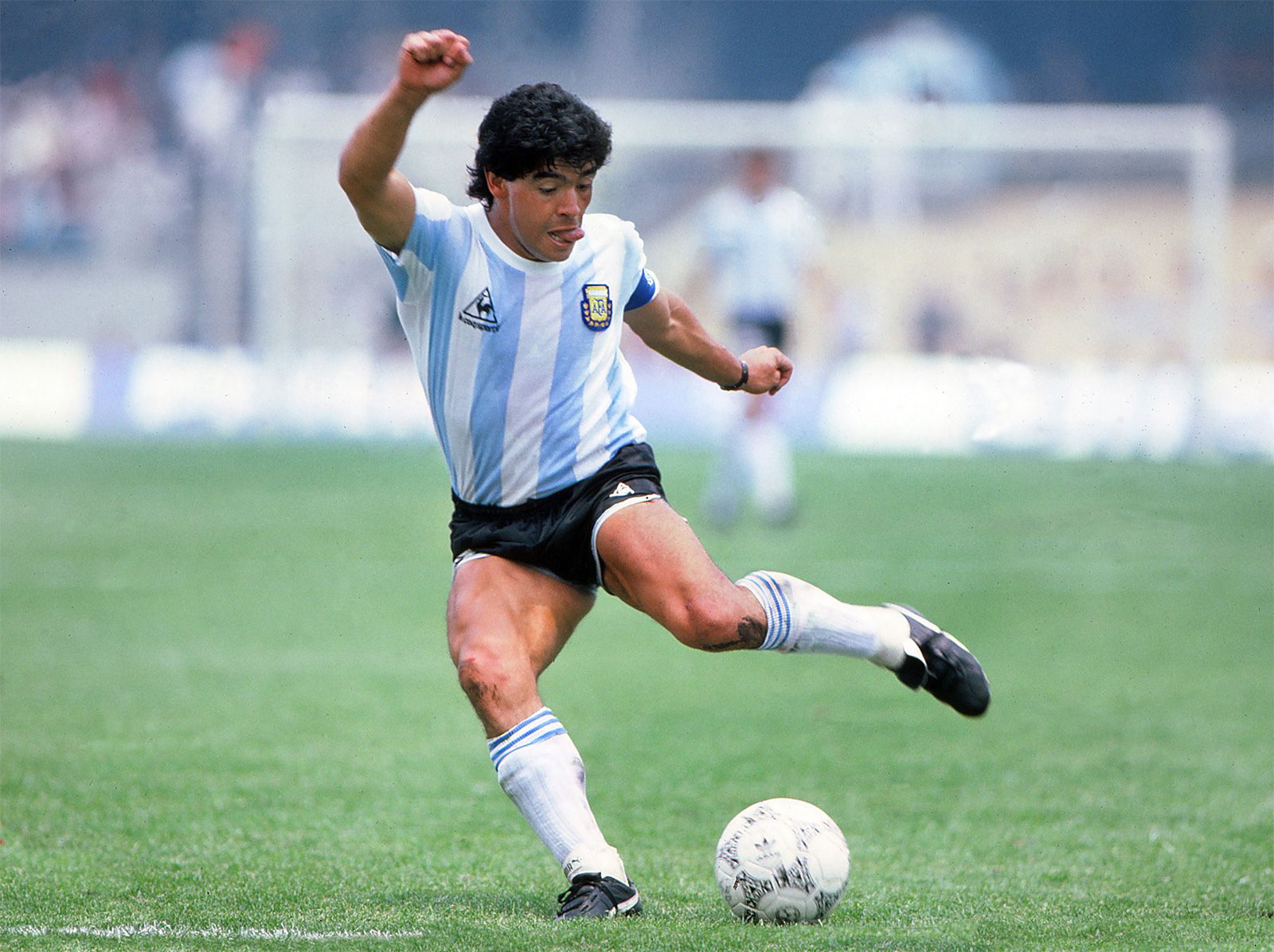
Sócrates Brasileiro Sampaio de Souza Vieira de Oliveira (19 February 1954 – 4 December 2011), simply known as Sócrates, was a Brazilian footballer who played as a midfielder. His medical degree and his political awareness, combined with style and quality of his play, earned him the nickname "Doctor Socrates". Famous for his beard and the headband he wore during the 1986 World Cup in solidarity with victims of the Mexico City earthquake, Sócrates became the "symbol of cool for a whole generation of football supporters".
“A languid playmaker whose backheels, vision and civic conviction made him unforgettable.”
A three-time South American Footballer of the Year, Figueroa is widely considered the finest defender the continent has produced, marshalling Internacional's dominant 1970s side.
“An imperious, elegant centre-back who combined aerial dominance with composed distribution well ahead of his era.”
Head-to-head stats
Career goals by season
Representative career seasons — goals per season for each player across their documented clubs.
Attribute radar
Attribute ratings are peak-era, 0–100. Different positions naturally skew the profile.
Attribute comparison
Trophy breakdown
- 3× Campeonato Brasileiro Série A
- 2× Uruguayan Primera División (1967, 1968)
- 3× Campeonato Gaúcho (1973, 1974, 1975)
Trophy distribution
Career milestones
- 1974 Established himself at Botafogo-SP
- 1978 Reached his defining peak
- 1982 Delivered a landmark season
- 1989 Retired from professional football
- 1965 Professional debut for Santiago Wanderers
- 1967 Won Uruguayan Primera División with Peñarol
- 1973 Won Campeonato Gaúcho with Internacional
- 1974 Reached the peak of his powers at Internacional
- 1982 Retired after a final spell at Fort Lauderdale Strikers
- Finished his career with 40 goals in 600 appearances and 5 major honours. Finished his career with 40 goals in 600 appearances and 5 major honours.
The verdict
If forced to pick, Sócrates is the choice: a clear margin, with a sharper goalscoring record the deciding factor.
Sócrates edges it (a clear margin)