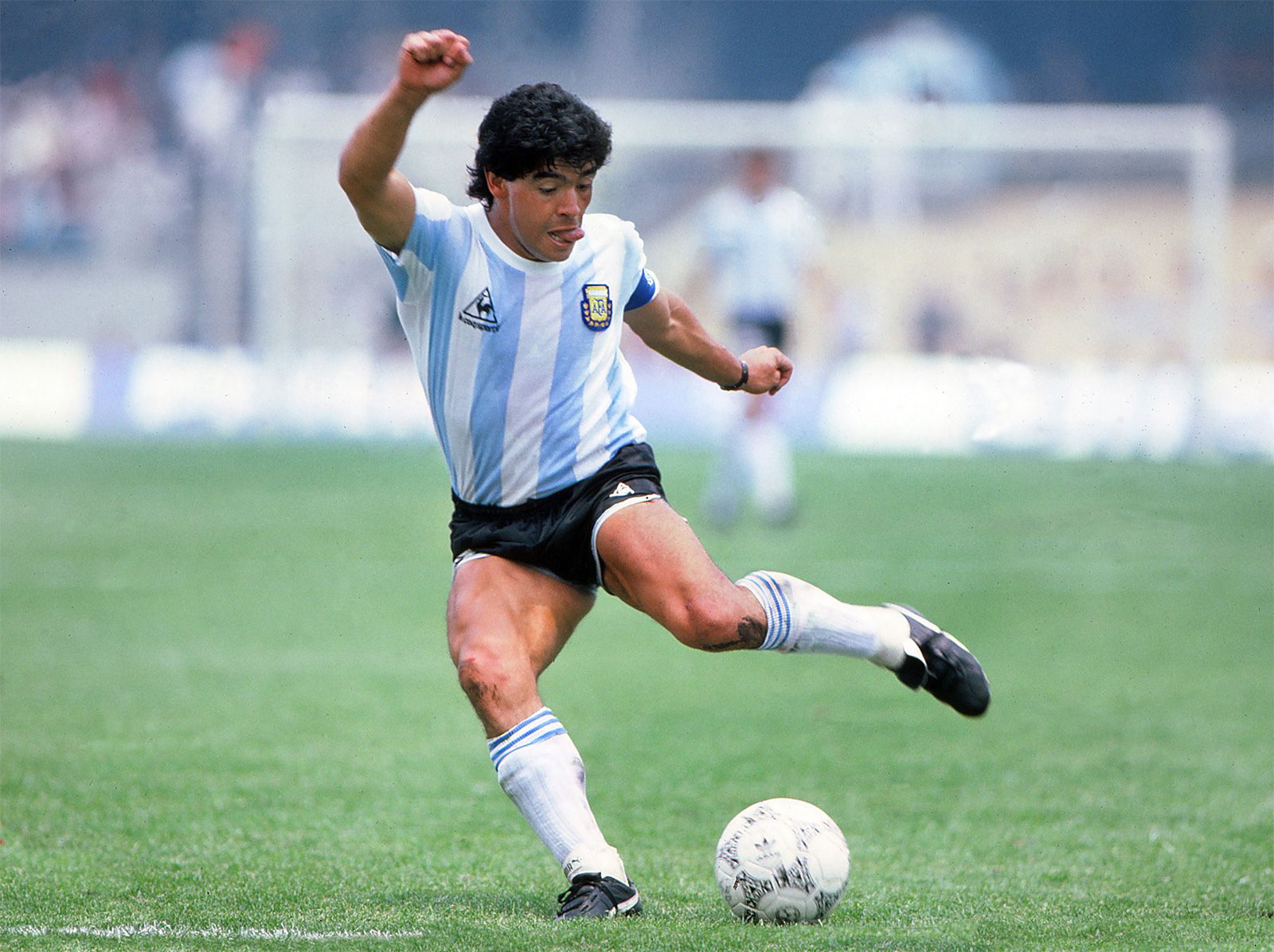
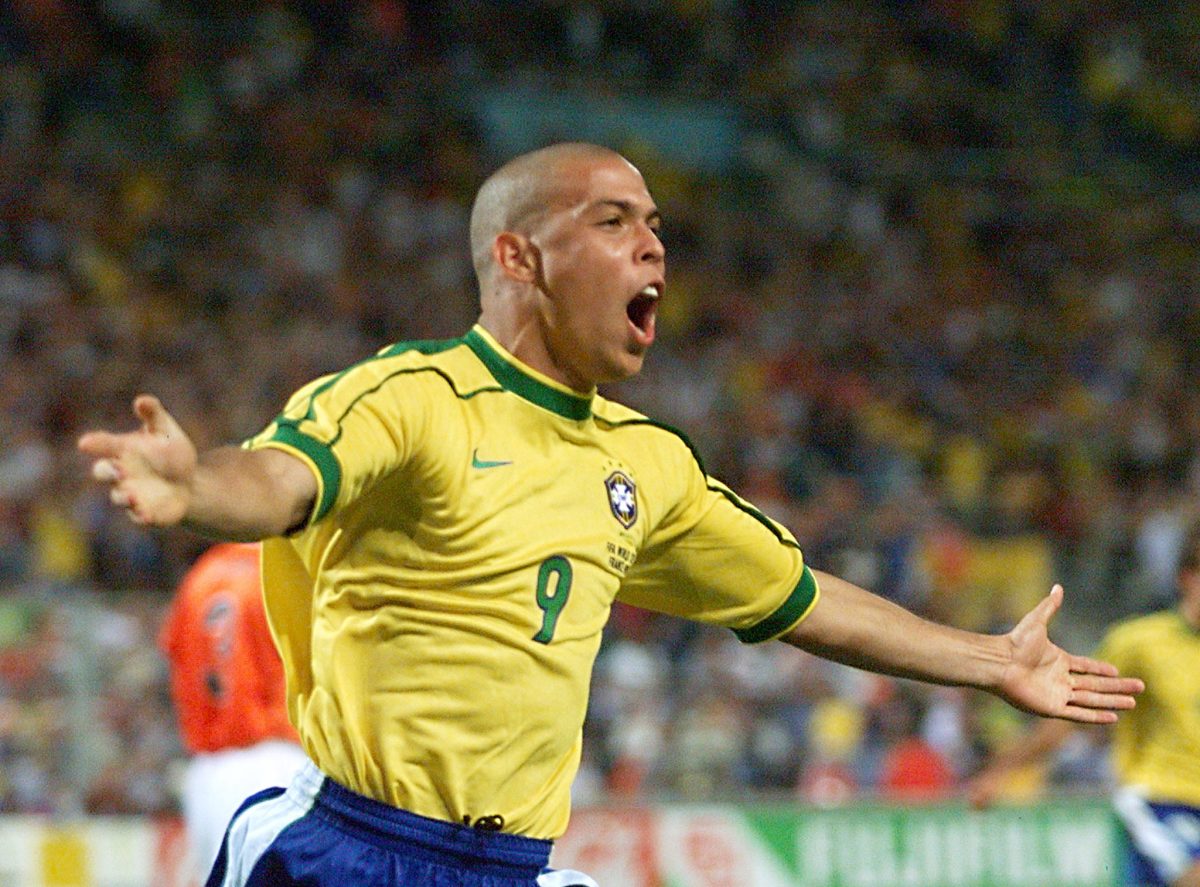
Eric Cantona vs Alfredo Di Stéfano: Stats Compared
Forward / Playmaker, France (born 1966, retired 1997) · Forward, Argentina (born 1926, retired 1966)
Set Eric Cantona alongside Alfredo Di Stéfano and the numbers start an argument of their own. Their textures on the ball are what fans actually remember, and they could hardly be more different. The raw numbers read 185 goals in 435 outings for Eric Cantona (0.43/game), versus 511 in 698 for Alfredo Di Stéfano (0.73/game). Reliable assist tallies simply do not exist for large stretches of their careers, leaving creativity to the eye rather than the spreadsheet. Eric Cantona departs the game with 9 major pieces of silverware, including 4× Premier League (1992–1997); Alfredo Di Stéfano with 15, including 5× European Cup (1956, 1957, 1958, 1959, 1960). Eric Cantona played with a mercurial that made him unmistakable; Alfredo Di Stéfano brought a mercurial that was equally his own. The wider career context matters too: Eric Cantona peaked around 1994 after representing Leeds United, Manchester United, while Alfredo Di Stéfano's defining level came around 1958 across River Plate, Millonarios, Real Madrid, Espanyol. Whichever side you land on, both belong in any conversation about the finest of their generation.
177 words · comparison angle: style
Player profiles
Éric Daniel Pierre Cantona (born 24 May 1966) is a French actor and former professional footballer. He was a physically strong, technically skilful forward with both creative and goalscoring ability. Mostly used as a deep-lying forward, he could also play as a centre-forward, striker, attacking midfielder or central midfielder.
“A regal target forward who mixed imagination, technique and imposing presence.”
Real Madrid legend and key figure of their five-consecutive European Cups; defined the modern total footballer role.
“An omnipresent forward who dropped deep to construct attacks before arriving in the box to finish them.”
Head-to-head stats
Career goals by season
Representative career seasons — goals per season for each player across their documented clubs.
Attribute radar
Attribute ratings are peak-era, 0–100. Different positions naturally skew the profile.
Attribute comparison
Trophy breakdown
- 4× Premier League (1992–1997)
- 5× European Cup (1956, 1957, 1958, 1959, 1960)
- 1× Intercontinental Cup (1960)
- 8× La Liga
- 1× Copa América (1947)
Trophy distribution
Career milestones
- 1986 Established himself at Leeds United
- 1990 Reached his defining peak
- 1994 Delivered a landmark season
- 1997 Retired from professional football
- 1945 River Plate debut
- 1947 Copa América winner with Argentina
- 1949 Moved to Millonarios in Colombia
- 1953 Signed for Real Madrid after a contested transfer
- 1956 First of five consecutive European Cups
- 1959 Won the first Ballon d'Or (Super Ballon d'Or) honoured later
- 1964 Left Real Madrid for Espanyol
The verdict
The numbers give Alfredo Di Stéfano the lead — a decisive margin, courtesy of a sharper goalscoring record.
Alfredo Di Stéfano edges it (a decisive margin)