Alfredo Di Stéfano vs David Trezeguet: Stats Compared
Forward, Argentina (born 1926, retired 1966) · Striker, France (born 1977, retired 2013)
Few debates split football fans quite like Alfredo Di Stéfano versus David Trezeguet. Both built reputations on finding the back of the net, but they did it in markedly different ways. By the end Alfredo Di Stéfano had 511 goals from 698 caps and club outings; David Trezeguet had 260 from 620. Assists were not reliably tracked for much of their careers, which makes the playmaking comparison an imperfect one; where records exist, Alfredo Di Stéfano is credited with 0 and David Trezeguet with 60. Trophy counts give Alfredo Di Stéfano 15 and David Trezeguet 5, with 5× European Cup (1956, 1957, 1958, 1959, 1960) and 1× FIFA World Cup (1998) the standout honours respectively. Their finishing mirrored their personalities: Alfredo Di Stéfano flair-driven, David Trezeguet flair-driven. Context beyond the headline totals is important: Alfredo Di Stéfano's landmark level arrived around 1958 with a career spanning River Plate, Millonarios, Real Madrid, Espanyol; David Trezeguet's came around 2000 across Monaco, Juventus, Hércules CF, Baniyas, River Plate. Arguments will run and run, which is exactly why the matchup endures.
177 words · comparison angle: goalscoring
Player profiles
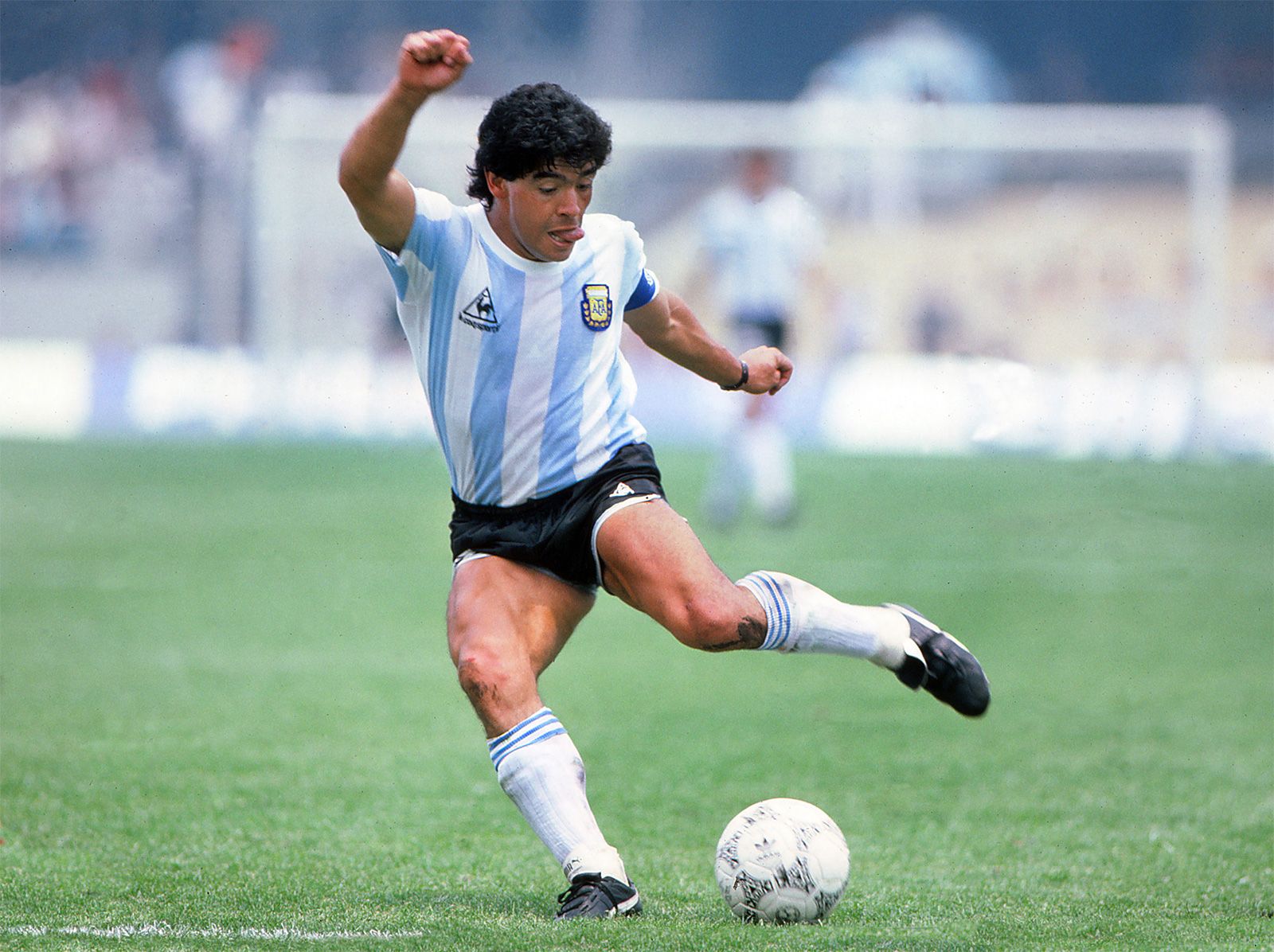
Real Madrid legend and key figure of their five-consecutive European Cups; defined the modern total footballer role.
“An omnipresent forward who dropped deep to construct attacks before arriving in the box to finish them.”
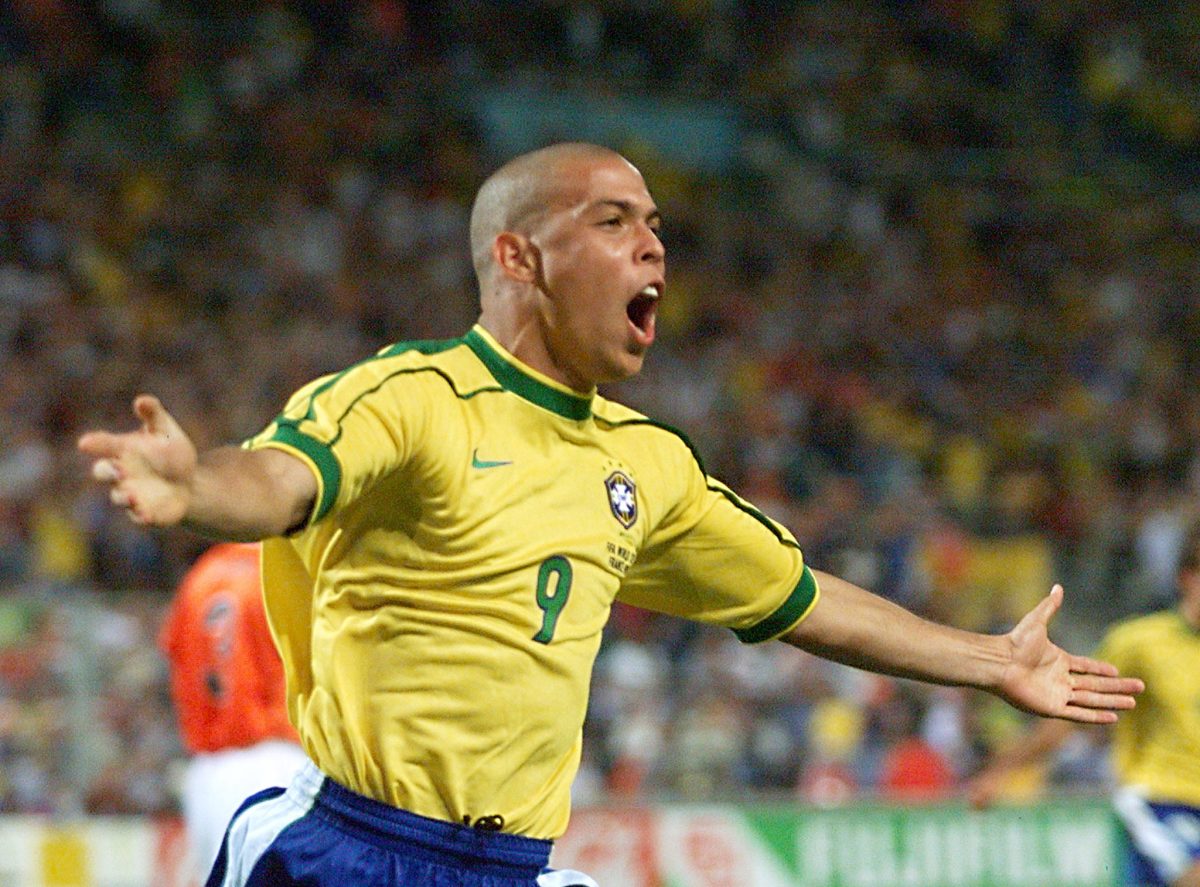
The scorer of the golden-goal winner in the Euro 2000 final, Trezeguet was Juventus's record signing and one of the deadliest strikers of his generation.
“A powerful, clinical striker with an excellent aerial game and a ferocious shot from inside the box.”
Head-to-head stats
Career goals by season
Representative career seasons — goals per season for each player across their documented clubs.
Attribute radar
Attribute ratings are peak-era, 0–100. Different positions naturally skew the profile.
Attribute comparison
Trophy breakdown
- 5× European Cup (1956, 1957, 1958, 1959, 1960)
- 1× Intercontinental Cup (1960)
- 8× La Liga
- 1× Copa América (1947)
- 1× FIFA World Cup (1998)
- 1× UEFA European Championship (2000)
- 1× Ligue 1 (2000)
- 2× Serie A (2002, 2003)
Trophy distribution
Career milestones
- 1945 River Plate debut
- 1947 Copa América winner with Argentina
- 1949 Moved to Millonarios in Colombia
- 1953 Signed for Real Madrid after a contested transfer
- 1956 First of five consecutive European Cups
- 1959 Won the first Ballon d'Or (Super Ballon d'Or) honoured later
- 1964 Left Real Madrid for Espanyol
- 1995 Professional debut for Monaco
- 1998 Won FIFA World Cup with Monaco
- 2002 Won Serie A with Juventus
- 2000 Reached the peak of his powers at Monaco
- 2013 Retired after a final spell at River Plate
- Finished his career with 260 goals in 620 appearances and 5 major honours. Finished his career with 260 goals in 620 appearances and 5 major honours.
The verdict
Reasonable people will disagree, but Alfredo Di Stéfano wins out by a decisive margin on the weight of a sharper goalscoring record.
Alfredo Di Stéfano edges it (a decisive margin)