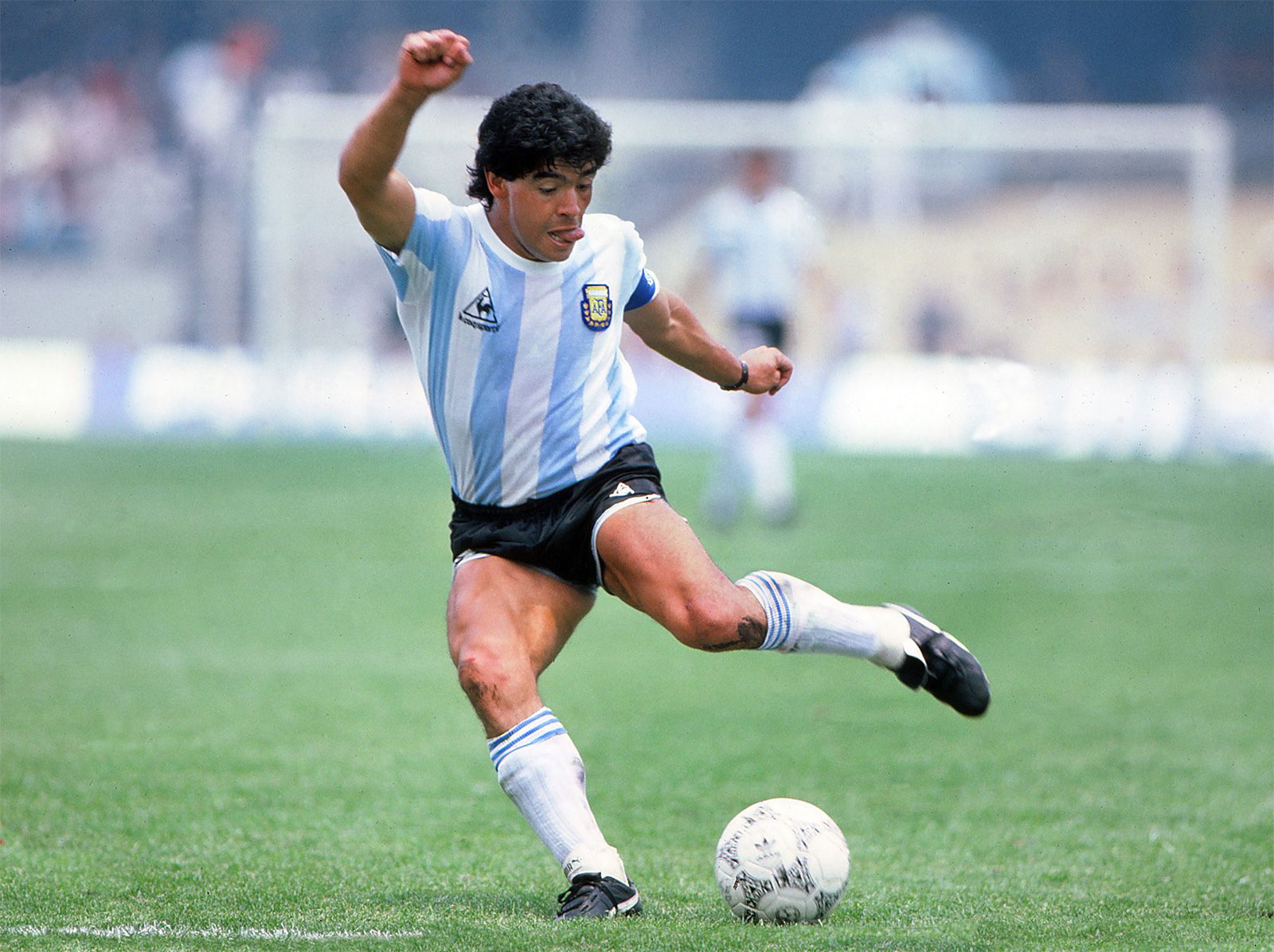
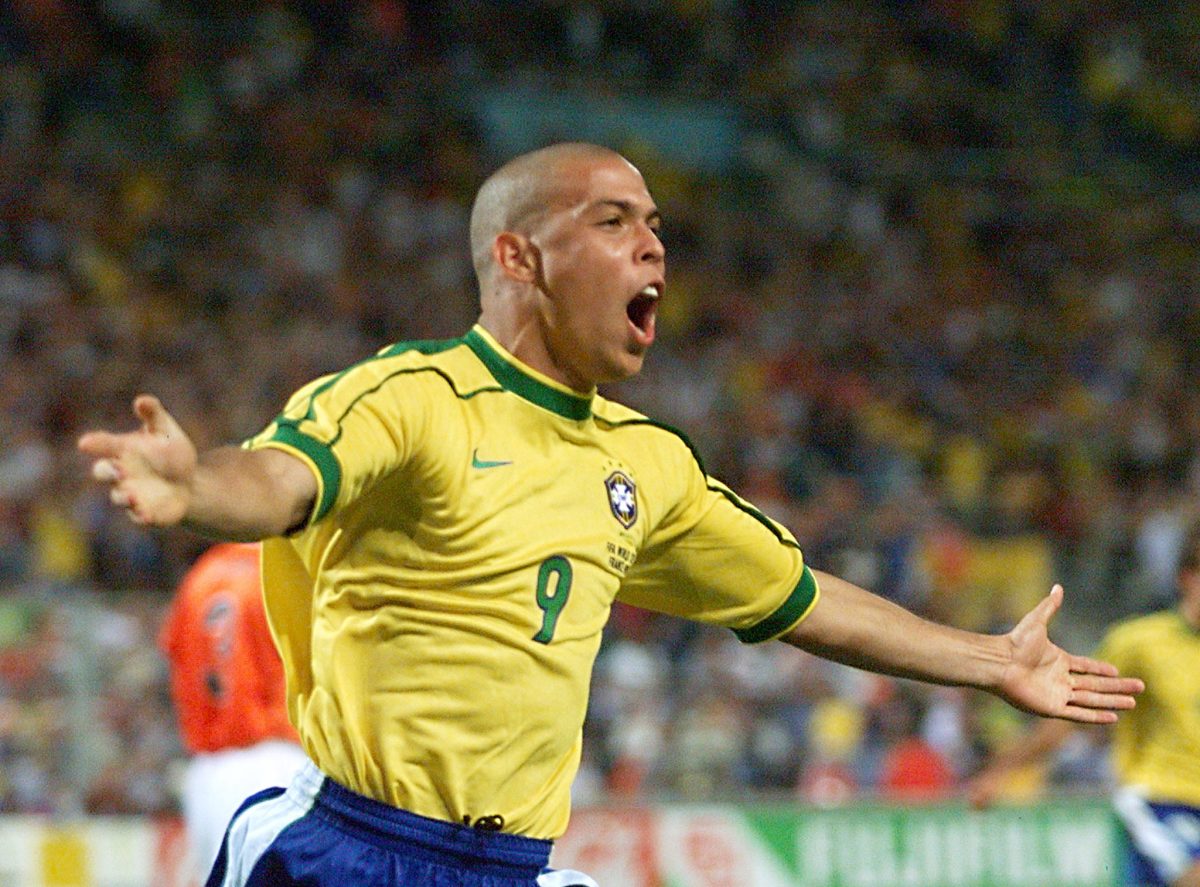
Gerd Müller vs Alfredo Di Stéfano: Stats Compared
Striker, Germany (born 1945, retired 1982) · Forward, Argentina (born 1926, retired 1966)
Few debates split football fans quite like Gerd Müller versus Alfredo Di Stéfano. Legacy is the only real measure that outlives the numbers, and both have staked towering claims. Career output puts Gerd Müller at 735 goals in 793 games, with Alfredo Di Stéfano at 511 in 698. Reliable assist tallies simply do not exist for large stretches of their careers, leaving creativity to the eye rather than the spreadsheet. Gerd Müller departs the game with 9 major pieces of silverware, including 1× FIFA World Cup (1974); Alfredo Di Stéfano with 15, including 5× European Cup (1956, 1957, 1958, 1959, 1960). Their legacies diverge in texture: Gerd Müller is remembered as mercurial, Alfredo Di Stéfano as clinical. Their routes to the top were distinct: Gerd Müller built his reputation across Bayern Munich, Fort Lauderdale Strikers, peaking around 1970, while Alfredo Di Stéfano reached his defining level around 1958 after spells with River Plate, Millonarios, Real Madrid, Espanyol. Arguments will run and run, which is exactly why the matchup endures.
169 words · comparison angle: legacy
Player profiles
Gerhard Müller was a German professional footballer. A prolific striker, especially in and around the six-yard box, he is widely regarded as one of the greatest goalscorers and players in the history of the sport. With success at both the club level and the international level, he is one of eleven players to have won the FIFA World Cup, the UEFA Champions League and the Ballon d'Or.
“A penalty-box master whose movement and finishing turned half-chances into goals.”
Real Madrid legend and key figure of their five-consecutive European Cups; defined the modern total footballer role.
“An omnipresent forward who dropped deep to construct attacks before arriving in the box to finish them.”
Head-to-head stats
Career goals by season
Representative career seasons — goals per season for each player across their documented clubs.
Attribute radar
Attribute ratings are peak-era, 0–100. Different positions naturally skew the profile.
Attribute comparison
Trophy breakdown
- 1× FIFA World Cup (1974)
- 5× European Cup (1956, 1957, 1958, 1959, 1960)
- 1× Intercontinental Cup (1960)
- 8× La Liga
- 1× Copa América (1947)
Trophy distribution
Career milestones
- 1962 Established himself at Bayern Munich
- 1966 Reached his defining peak
- 1970 Delivered a landmark season
- 1982 Retired from professional football
- 1945 River Plate debut
- 1947 Copa América winner with Argentina
- 1949 Moved to Millonarios in Colombia
- 1953 Signed for Real Madrid after a contested transfer
- 1956 First of five consecutive European Cups
- 1959 Won the first Ballon d'Or (Super Ballon d'Or) honoured later
- 1964 Left Real Madrid for Espanyol
The verdict
Reasonable people will disagree, but Alfredo Di Stéfano wins out by a decisive margin on the weight of a weightier trophy cabinet.
Alfredo Di Stéfano edges it (a decisive margin)