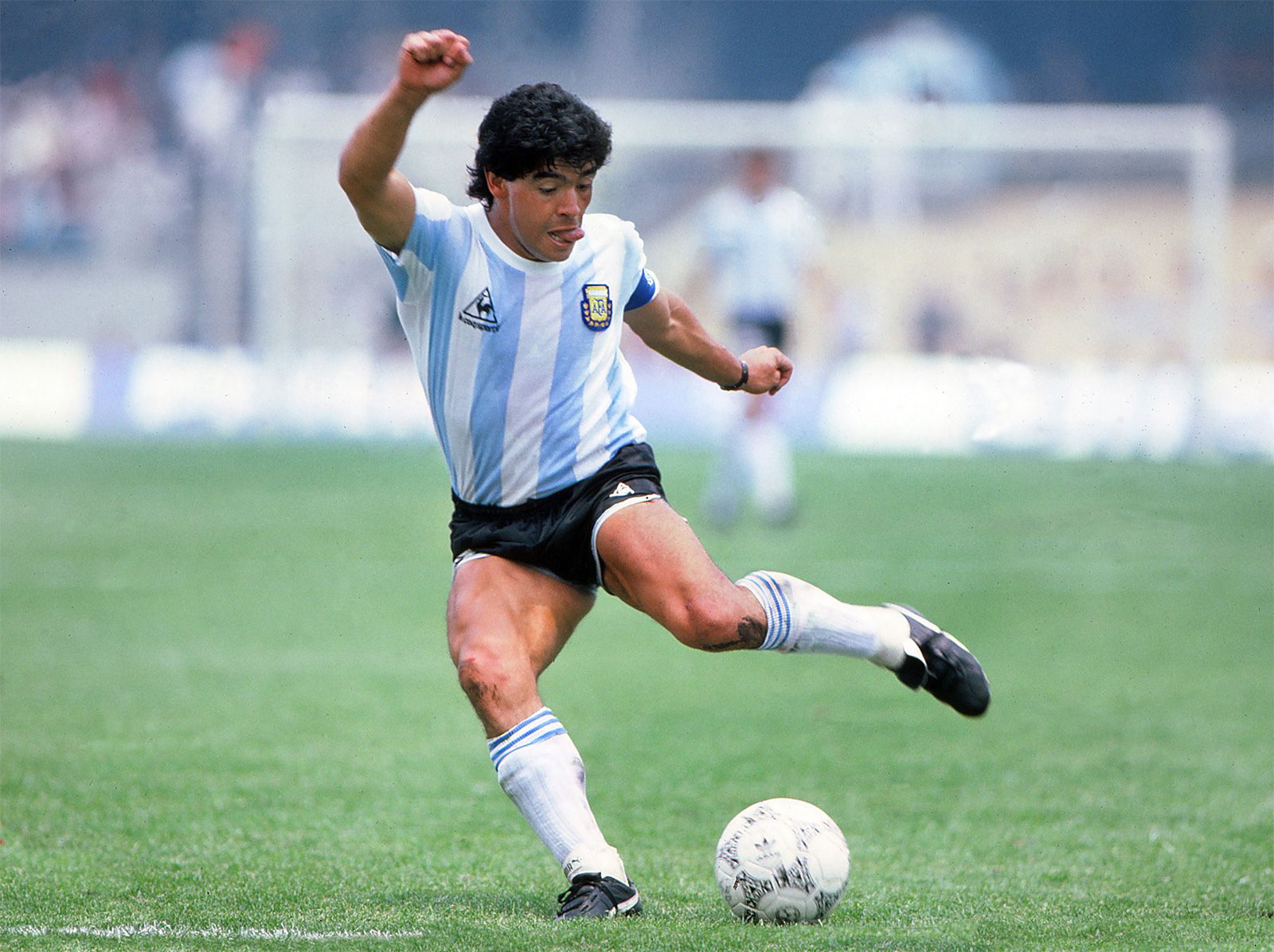
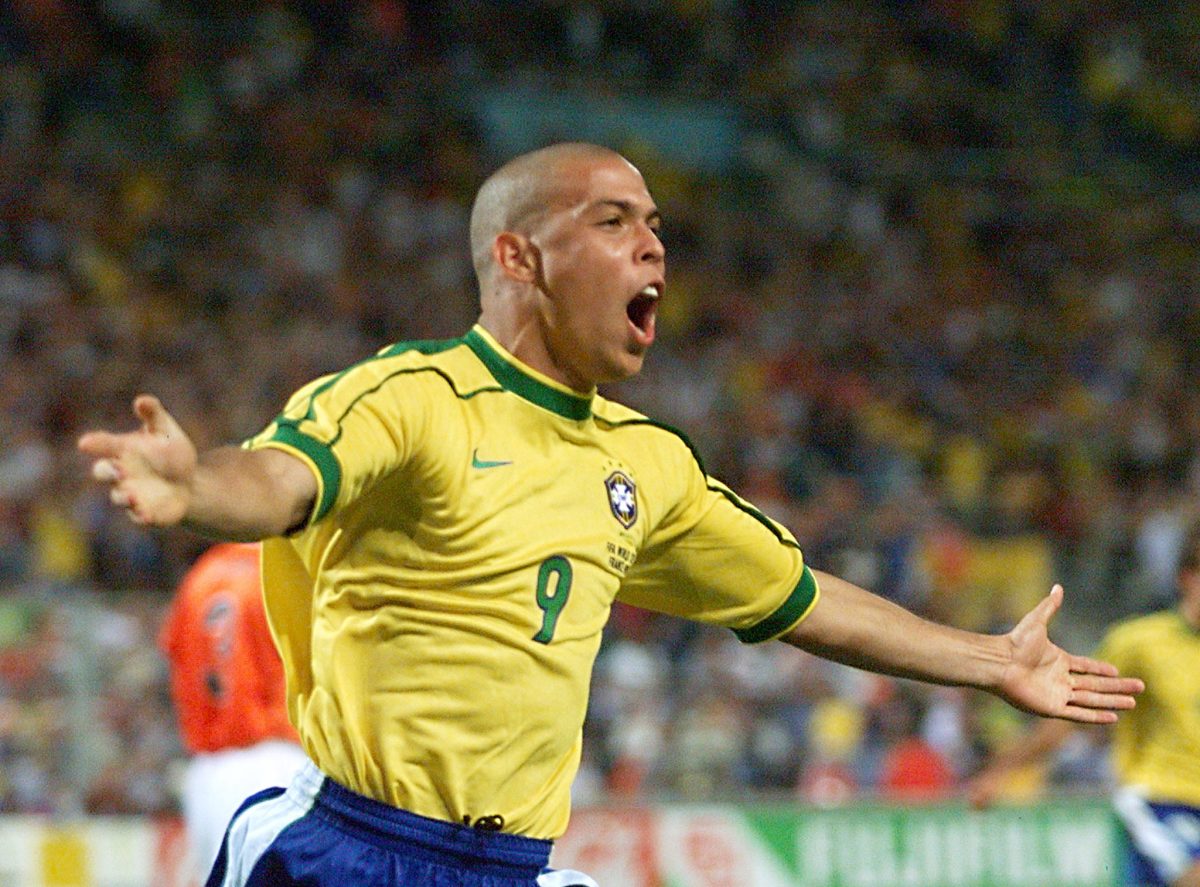
Alfredo Di Stéfano vs Cuauhtémoc Blanco: Stats Compared
Forward, Argentina (born 1926, retired 1966) · Forward, Mexico (born 1973, retired 2014)
Comparing Alfredo Di Stéfano with Cuauhtémoc Blanco means weighing two very different kinds of greatness. Strikers are judged on goals, and on that raw currency both men delivered extraordinary returns. On production alone, Alfredo Di Stéfano posted 511 goals across 698 appearances while Cuauhtémoc Blanco managed 250 across 700. Assists were not reliably tracked for much of their careers, which makes the playmaking comparison an imperfect one; where records exist, Alfredo Di Stéfano is credited with 0 and Cuauhtémoc Blanco with 100. The honours ledger favours Alfredo Di Stéfano with 15 major trophies (5× European Cup (1956, 1957, 1958, 1959, 1960)) against Cuauhtémoc Blanco's 4 (3× Liga MX (1992, 2002, 2005)). Alfredo Di Stéfano scored with a mercurial that defined his era, while Cuauhtémoc Blanco's finishing carried a explosive all of its own. Club journeys add another layer, with Alfredo Di Stéfano reaching his representative peak around 1958 across River Plate, Millonarios, Real Madrid, Espanyol and Cuauhtémoc Blanco doing so around 1998 with América, Chicago Fire, Puebla FC. Picking between them says as much about the picker as the players.
180 words · comparison angle: goalscoring
Player profiles
Real Madrid legend and key figure of their five-consecutive European Cups; defined the modern total footballer role.
“An omnipresent forward who dropped deep to construct attacks before arriving in the box to finish them.”
A flamboyant Mexican playmaker famed for inventing the 'Cuauhtemiña' skill move, Blanco starred at three World Cups across a 20-year career.
“A stocky, combative forward with outrageous flair, best remembered for hopping the ball between two defenders in a signature dribble.”
Head-to-head stats
Career goals by season
Representative career seasons — goals per season for each player across their documented clubs.
Attribute radar
Attribute ratings are peak-era, 0–100. Different positions naturally skew the profile.
Attribute comparison
Trophy breakdown
- 5× European Cup (1956, 1957, 1958, 1959, 1960)
- 1× Intercontinental Cup (1960)
- 8× La Liga
- 1× Copa América (1947)
- 3× Liga MX (1992, 2002, 2005)
- 1× CONCACAF Champions' Cup (1992)
Trophy distribution
Career milestones
- 1945 River Plate debut
- 1947 Copa América winner with Argentina
- 1949 Moved to Millonarios in Colombia
- 1953 Signed for Real Madrid after a contested transfer
- 1956 First of five consecutive European Cups
- 1959 Won the first Ballon d'Or (Super Ballon d'Or) honoured later
- 1964 Left Real Madrid for Espanyol
- 1992 Professional debut for América
- 1992 Won Liga MX with América
- 1992 Won CONCACAF Champions' Cup with América
- 1998 Reached the peak of his powers at América
- 2014 Retired after a final spell at Puebla FC
- Finished his career with 250 goals in 700 appearances and 4 major honours. Finished his career with 250 goals in 700 appearances and 4 major honours.
The verdict
On balance Alfredo Di Stéfano edges the comparison. The margin is a decisive margin, decided mostly by a sharper goalscoring record.
Alfredo Di Stéfano edges it (a decisive margin)