Alfredo Di Stéfano vs Pep Guardiola: Stats Compared
Forward, Argentina (born 1926, retired 1966) · Defensive Midfielder, Spain (born 1971, retired 2006)
When Alfredo Di Stéfano and Pep Guardiola are mentioned in the same breath, opinions rarely stay quiet. Style separates them as much as statistics: two players, two unmistakable signatures. Career output puts Alfredo Di Stéfano at 511 goals in 698 games, with Pep Guardiola at 36 in 479. Because assists were not systematically tracked for much of their time, that side of the comparison rests on the footage that survives. In major honours Alfredo Di Stéfano collected 15 — headlined by 5× European Cup (1956, 1957, 1958, 1959, 1960) — whereas Pep Guardiola amassed 8, led by 1× European Cup (1992). Stylistically Alfredo Di Stéfano was mercurial where Pep Guardiola was dictatorial — two vocabularies of the same sport. The wider career context matters too: Alfredo Di Stéfano peaked around 1958 after representing River Plate, Millonarios, Real Madrid, Espanyol, while Pep Guardiola's defining level came around 1992 across Barcelona, Brescia, Roma, Al-Ahli, Dorados. Greatness, in cases like this, is rarely a zero-sum affair.
163 words · comparison angle: style
Player profiles
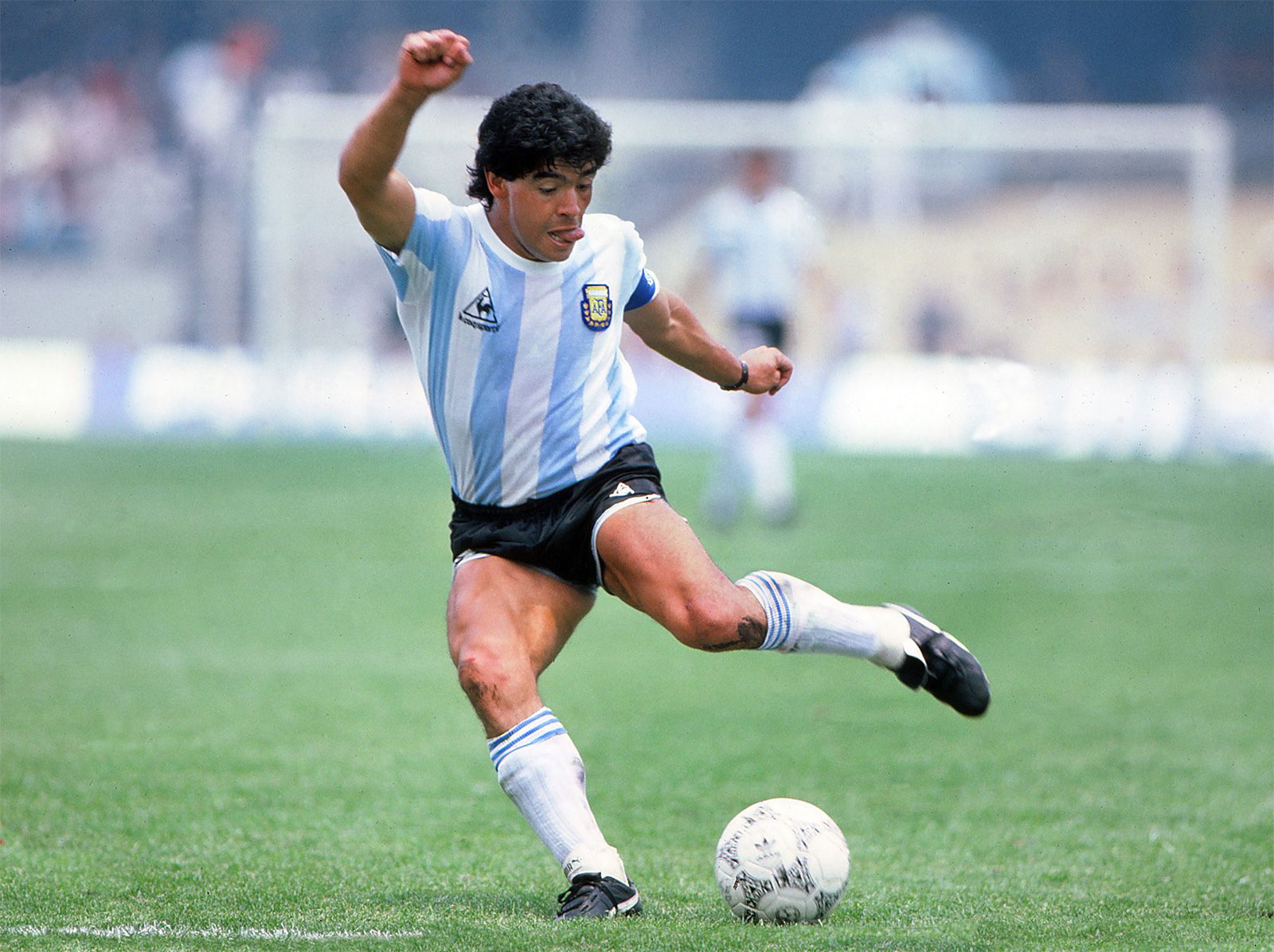
Real Madrid legend and key figure of their five-consecutive European Cups; defined the modern total footballer role.
“An omnipresent forward who dropped deep to construct attacks before arriving in the box to finish them.”
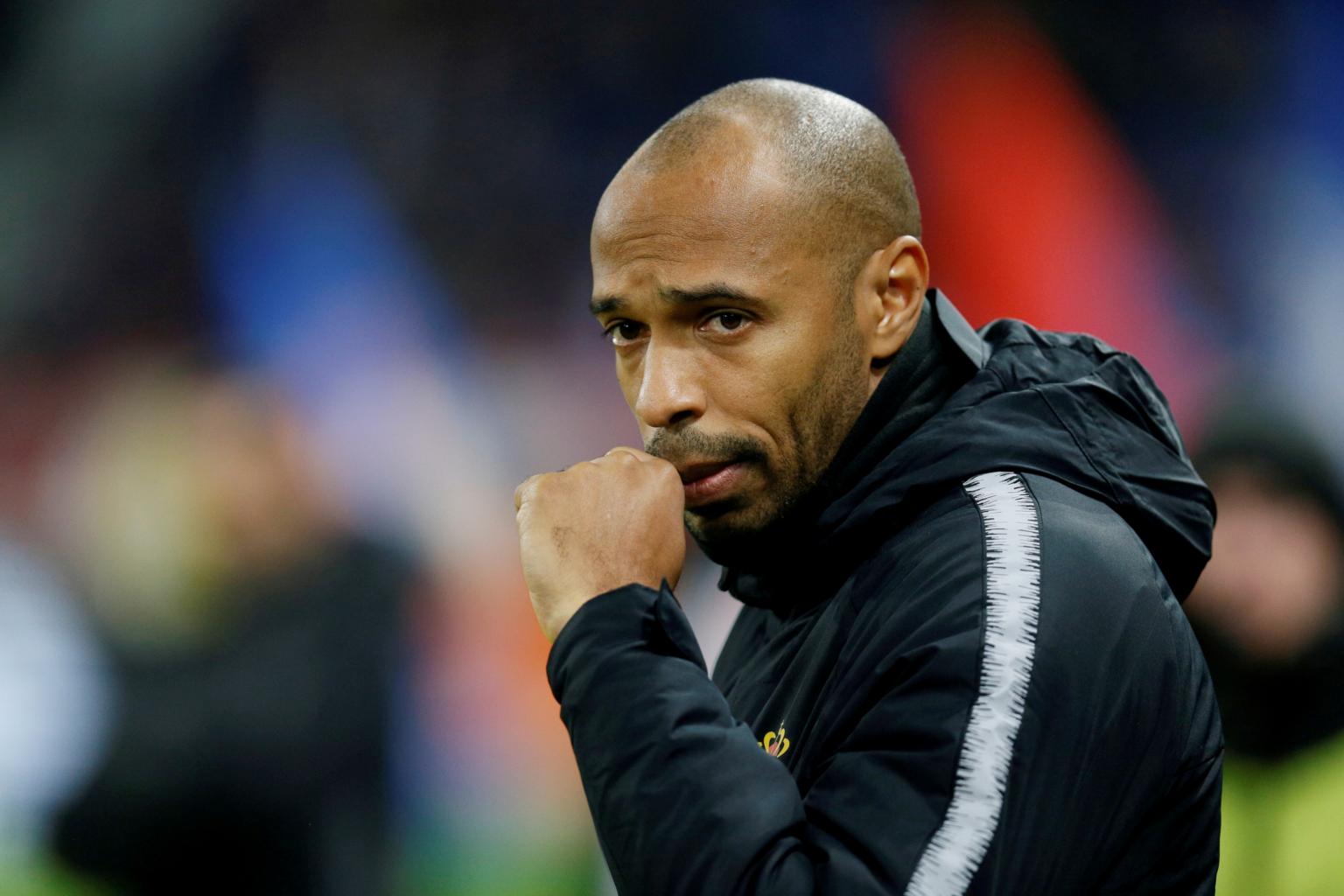
Josep "Pep" Guardiola Sala (born 18 January 1971) is a Spanish football manager and former player from Catalonia. As a midfielder, he captained Barcelona and became known for his intelligence, positioning and passing. He later became one of football’s most decorated managers, winning the continental treble twice.
“A metronomic organiser whose positioning and passing gave possession a clear rhythm.”
Head-to-head stats
Career goals by season
Representative career seasons — goals per season for each player across their documented clubs.
Attribute radar
Attribute ratings are peak-era, 0–100. Different positions naturally skew the profile.
Attribute comparison
Trophy breakdown
- 5× European Cup (1956, 1957, 1958, 1959, 1960)
- 1× Intercontinental Cup (1960)
- 8× La Liga
- 1× Copa América (1947)
- 1× European Cup (1992)
Trophy distribution
Career milestones
- 1945 River Plate debut
- 1947 Copa América winner with Argentina
- 1949 Moved to Millonarios in Colombia
- 1953 Signed for Real Madrid after a contested transfer
- 1956 First of five consecutive European Cups
- 1959 Won the first Ballon d'Or (Super Ballon d'Or) honoured later
- 1964 Left Real Madrid for Espanyol
- 1984 Established himself at Barcelona
- 1988 Reached his defining peak
- 1992 Delivered a landmark season
- 2006 Retired from professional football
The verdict
If forced to pick, Alfredo Di Stéfano is the choice: a decisive margin, with a sharper goalscoring record the deciding factor.
Alfredo Di Stéfano edges it (a decisive margin)