Alfredo Di Stéfano vs Paul Ince: Stats Compared
Forward, Argentina (born 1926, retired 1966) · Central Midfielder, England (born 1967, retired 2006)
Set Alfredo Di Stéfano alongside Paul Ince and the numbers start an argument of their own. Position shapes everything in football, and these two fulfilled very different briefs. By the end Alfredo Di Stéfano had 511 goals from 698 caps and club outings; Paul Ince had 90 from 650. Modern assist data only covers part of their careers, so creativity is hard to compare cleanly — Alfredo Di Stéfano is listed at 0 and Paul Ince at 60 where figures survive. Alfredo Di Stéfano departs the game with 15 major pieces of silverware, including 5× European Cup (1956, 1957, 1958, 1959, 1960); Paul Ince with 4, including 2× Premier League (1993, 1994). The forward duties of Alfredo Di Stéfano leaned mercurial; the central midfielder responsibilities of Paul Ince leaned dictatorial. Club journeys add another layer, with Alfredo Di Stéfano reaching his representative peak around 1958 across River Plate, Millonarios, Real Madrid, Espanyol and Paul Ince doing so around 1994 with West Ham United, Manchester United, Inter Milan, Liverpool, Middlesbrough, Wolverhampton Wanderers, Swindon Town. Rank them how you like — both names are carved into the sport's permanent record.
188 words · comparison angle: role
Player profiles
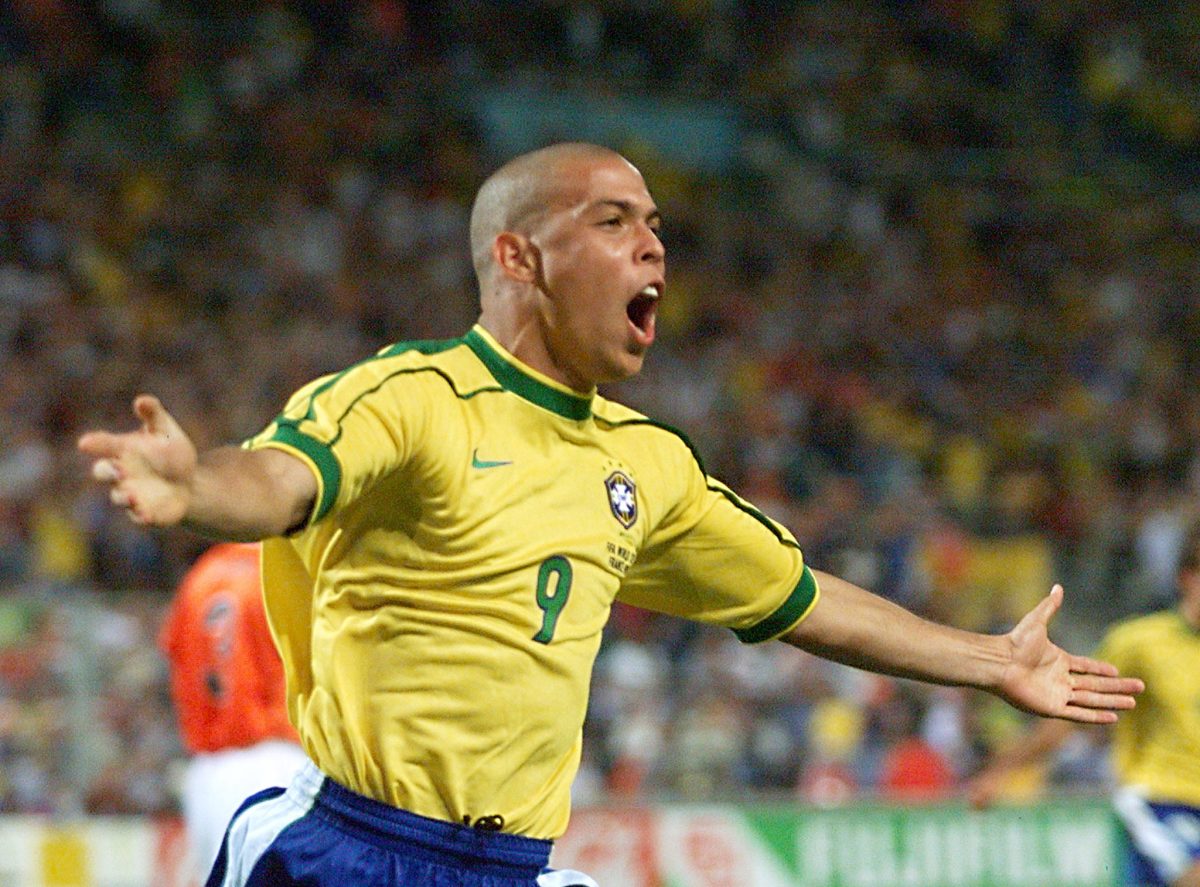
Real Madrid legend and key figure of their five-consecutive European Cups; defined the modern total footballer role.
“An omnipresent forward who dropped deep to construct attacks before arriving in the box to finish them.”
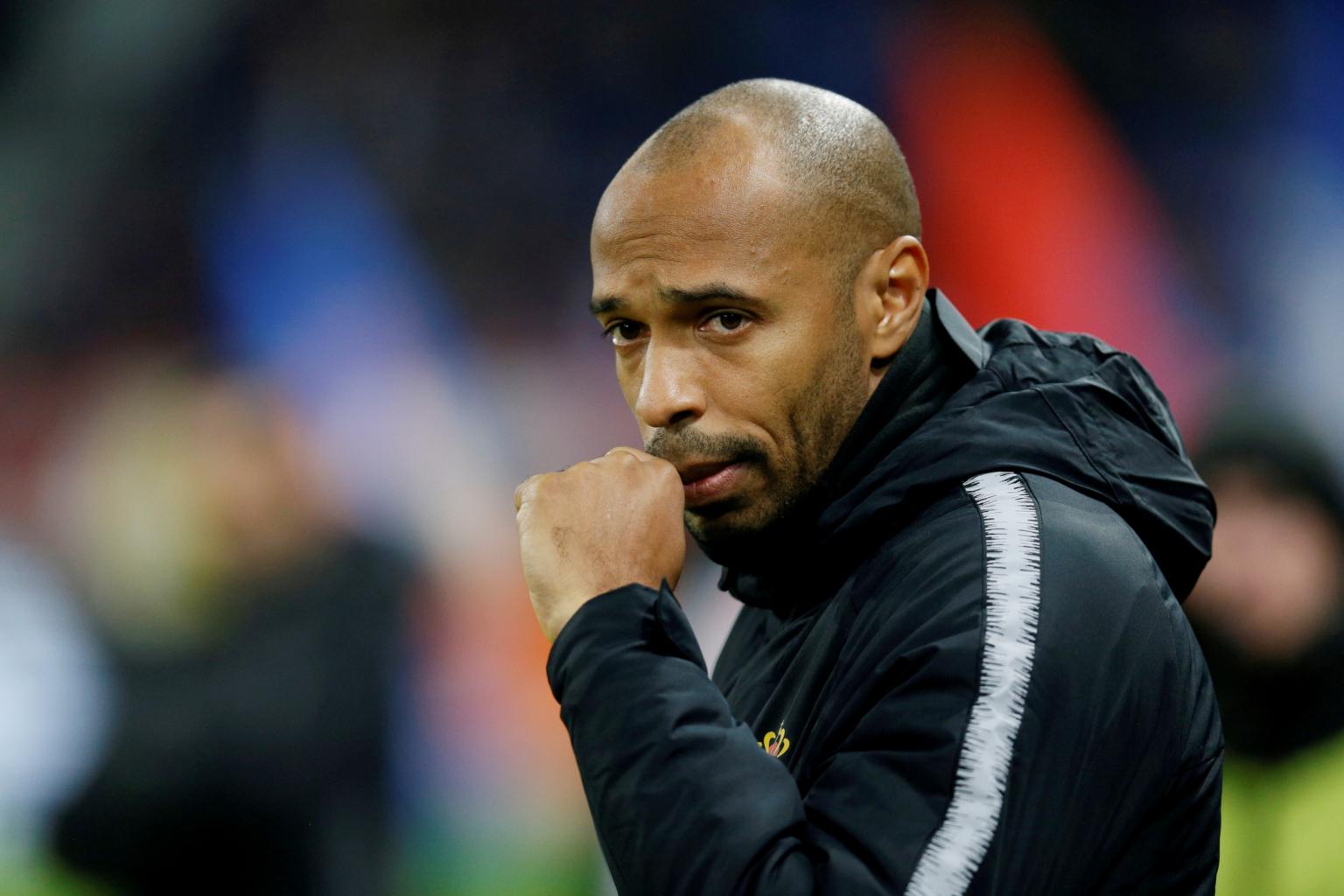
The first Black player to captain England, Ince was a combative, driving midfielder at the heart of Manchester United's early Premier League dominance.
“An aggressive, all-action midfielder whose tackling and late runs into the box made him a formidable box-to-box presence.”
Head-to-head stats
Career goals by season
Representative career seasons — goals per season for each player across their documented clubs.
Attribute radar
Attribute ratings are peak-era, 0–100. Different positions naturally skew the profile.
Attribute comparison
Trophy breakdown
- 5× European Cup (1956, 1957, 1958, 1959, 1960)
- 1× Intercontinental Cup (1960)
- 8× La Liga
- 1× Copa América (1947)
- 2× Premier League (1993, 1994)
- 2× FA Cup (1990, 1994)
Trophy distribution
Career milestones
- 1945 River Plate debut
- 1947 Copa América winner with Argentina
- 1949 Moved to Millonarios in Colombia
- 1953 Signed for Real Madrid after a contested transfer
- 1956 First of five consecutive European Cups
- 1959 Won the first Ballon d'Or (Super Ballon d'Or) honoured later
- 1964 Left Real Madrid for Espanyol
- 1986 Professional debut for West Ham United
- 1993 Won Premier League with Manchester United
- 1990 Won FA Cup with Manchester United
- 1994 Reached the peak of his powers at Manchester United
- 2006 Retired after a final spell at Swindon Town
- Finished his career with 90 goals in 650 appearances and 4 major honours. Finished his career with 90 goals in 650 appearances and 4 major honours.
The verdict
The numbers give Alfredo Di Stéfano the lead — a decisive margin, courtesy of a sharper goalscoring record.
Alfredo Di Stéfano edges it (a decisive margin)